
13 October 2026
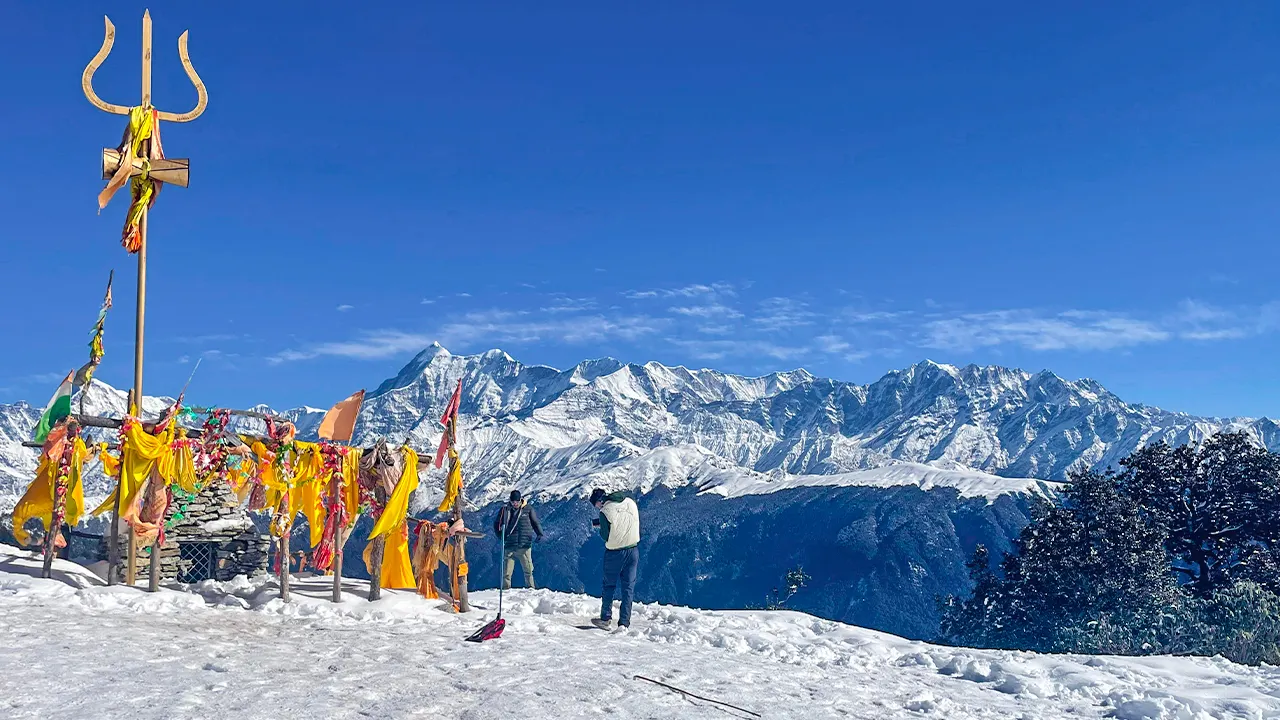
Winter is almost here, and you're still planning on following the same routine. Sitting in a blanket, sipping on hot tea, and binge-watching your favorite movies. Sounds like a good plan. But do you know where that tea will actually taste insanely better? On a snow-covered mountaintop, looking at the scenic sunrise and glistening frozen lakes, with a view that can make anyone’s heart skip a beat. Want to know of one such place? Then keep reading…
Have you heard of the legend of a lake that, according to people’s belief, was a place where the great god Brahma meditated? And do you know about the amazing snow trail that leads to that place? If you are not aware of it, then get ready to learn about one of the most famous winter treks of all time - the Brahmatal Lake trek. A trek that, along with being beginner-to-intermediate friendly, is also absolutely picturesque and dreamy!
Want to know more? Scroll through this guide to discover all about it - from its location, distance, height, best time to travel, and so much more.
Now, the obvious question that comes to mind is, what exactly can one expect in this specific trek? If you too are wondering the same, then know that on these snow-covered trails, you are in for not only the glorious Brahmatal summit point, but also a thrilling adventure to discover an entire tapestry of oak and rhododendron forests, frozen lakes, towering Himalayan peaks, and a lot of fun and adventure! Let's get into the details.
Native Forests & Flora
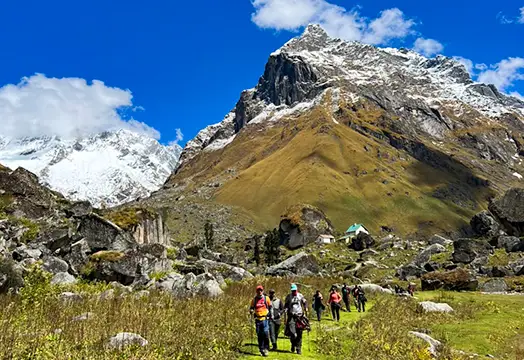
When you start your trek from the base, you will be welcomed by the diverse forests, meadows, and lush greenery all around the place. Along your trail, you will move through dense oak and the ever-mesmerizing rhododendron forests. Speaking about the wildlife, one of the rarest things you might be able to see is a flock of Himalayan Monals, the state bird of Uttarakhand. These birds, usually found at higher altitudes, migrate downhill during winters in search of food. Also, if lucky enough, you might encounter animals like wild boars, musk deer, the great Himalayan black bear, and even Himalayan tahr (goat), barking deer, and Griffon on the higher rocky trails. So, keep an eye out, for you could catch a glimpse of these inhabitants in their natural environment.
High-Altitude Lakes
While climbing, you might be able to detect water streams gushing down here and there. But what stuns the brain are two prominent lakes in the mountains. The first one is Bekaltal Lake, which you will find at roughly 9,700 ft. What makes it even more spectacular is the green canopy around it, made of dense forests. The other lake lies on the way back from the summit point, thus giving it the name Brahmatal Lake. This one here is surrounded by various towering peaks. And though both of these are just as good in any other season, during winter, these glacial Brahmatal frozen lakes reflect their true glory amidst the snow-draped landscape.
Panoramic Peak Views
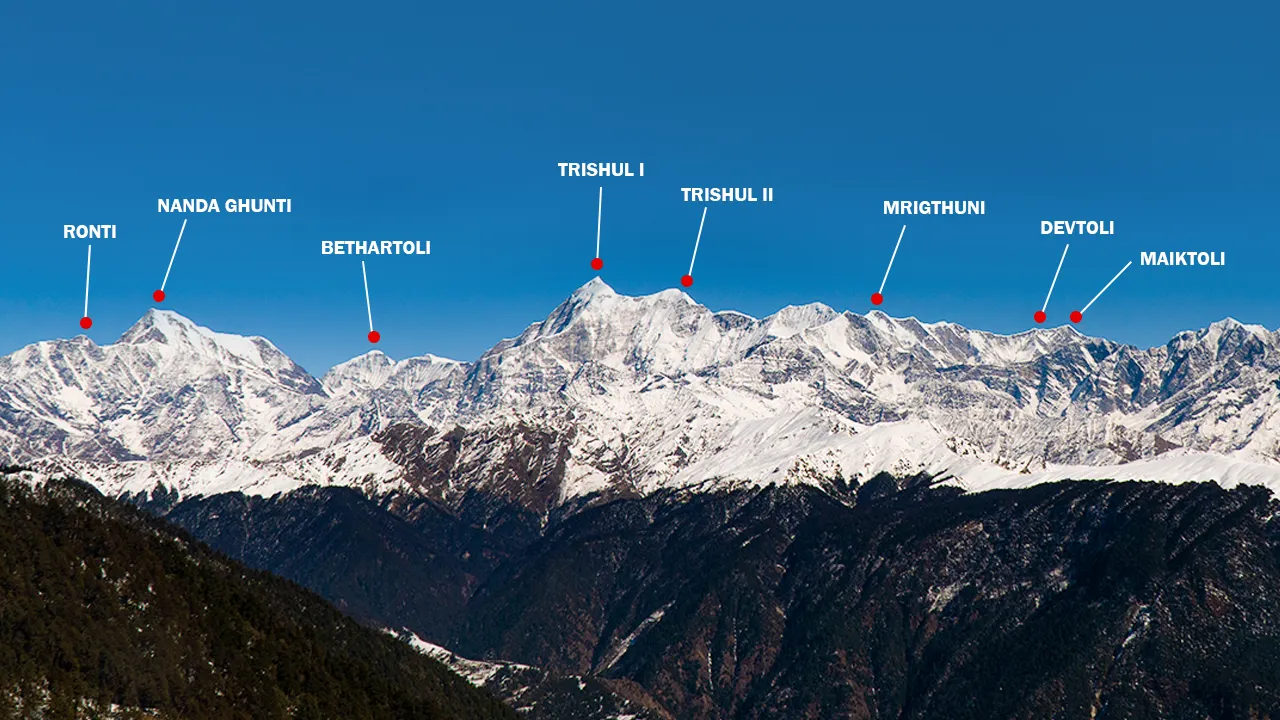
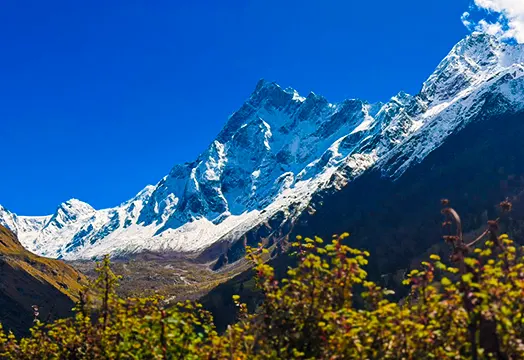
Oh wait, did you think that the Brahmatal peak was the only mountain you get to see? Of course not! On your trek uphill, you will catch sight of noticeable peaks like Nanda Ghunti and Mt. Trishul. And the view gets even better at the summit, where you can spot giants like Mt. Kamet (second-highest peak in Uttarakhand), Chaukhamba, Hathi-Ghoda, Neelkanth, and many more.
Snow-Draped Ridges
The snowy trails during winter make this trek even more exciting. Just imagine, you are all geared up to conquer the Brahmatal summit height of 12,200 ft. You can feel the crisp mountain air brushing against your face and the crunch of fresh snow coming from under your boots with every single step you take. With the Himalayan views, early golden sunrise, and white blanket all around you, it feels purely heavenly, making your winter trekking experience the perfect mix of exhilaration with a little thrill and endless beauty.
Already thinking of your Brahmatal trek packing list? But do you know the exact location of this wonderful place? To enjoy the splendour of this place, you need to come to the Chamoli district of Uttarakhand. The trip covers about 26 km in approximately 6 days. And the best time to be here is definitely winter! The Brahmatal winter trek feels like stepping into a snowy wonderland, with the trail hidden under a thick layer of fresh, powdery snow. The journey starts in quiet oak and rhododendron forests, where snow settles on every branch, and then leads out into wide, rolling white meadows. The best part is reaching the lake, which freezes into a huge, glassy surface surrounded by silent hills. As you go higher, the views get even better, giving you a clear look at the towering Himalayan peaks against the bright blue winter sky.
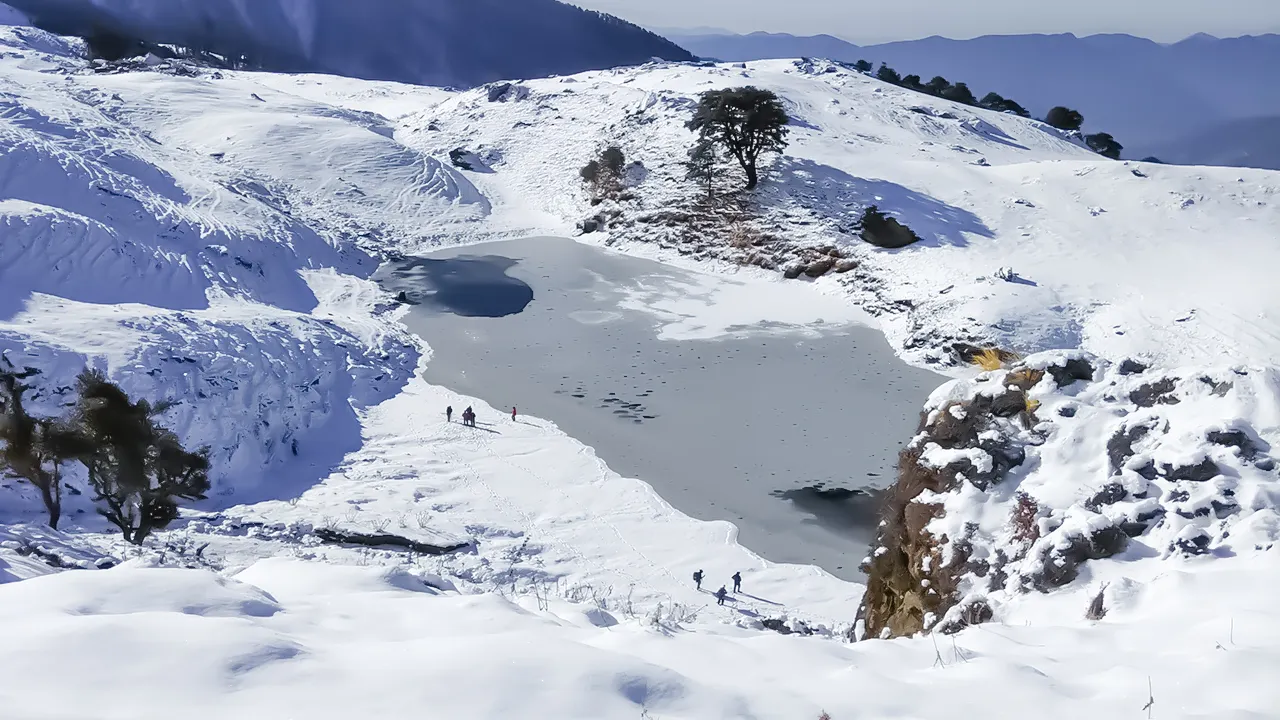
Yes! It does. The lake is completely frozen during the early to peak months of winter, that is, from December to February. While at the start, one can spot black or clear ice on the lake, it gradually thickens due to snowstorms and refreezing snow (over the surface) that gives it an opaque look. The initial black ice is usually hazardous, as it is formed by a thin layer of ice frozen only at the water surface. It might look clean and beautiful, but you cannot estimate its actual thickness. Thus, trekkers are advised not to risk walking on the frozen lake, as the thin ice layer can crack under immense pressure.
If you are planning to explore the Brahmatal trek in December or anytime after that in winter, you are likely chasing snow. But how much snowfall can you actually expect? That’s a thought to ponder. At the start of the season, when snow just begins to fall, the layer is thin. That’s when trek leaders and guides break the trail, mapping it out, so that it can easily be followed in the later months when heavy snowfall strikes. The peak months of January and February experience snow levels soaring as high as 6ft to 8ft - or sometimes even 10ft! This totally depends on the seasonal weather patterns and climate conditions. This makes it crucial for trekkers to prepare according to the duration of the trek as well as the season or months they are traveling.
Well, now all that talk about its beauty is well-deserved. But are you truly prepared or meant for any such trek? What do you actually face when out there in the open? These are very common, and yet equally important questions that come up. So, when considering the Brahmatal trek difficulty level, know that this place, along with being spectacular, is also beginner-friendly. Yes, you heard that right! So even if you are just starting your trekking journey, you can consider the Brahmatal trek as a viable option for yourself. But since the level of difficulty can depend on seasonal factors, just keep in mind these three things:
By now, you should be clear about one thing: the Brahmatal trek winter is one of India's best winter snow treks, where the lake completely freezes over, creating a beautiful mirror-like surface amidst the snow. Even so, which month would give you the best views? Let’s find out.
To Be Noted: The weather is unpredictable and often changes at different Brahmatal Trek altitudes. So, while climbing up or coming down, there’s one golden rule: layer up. Layering will be your best defense against the blistering night drops and sudden shifts in weather. Do not wait until you are already shivering! The moment you arrive at the designated campsite, put on a jacket or layer yourself accordingly before your body starts to cool down from the day's trek.
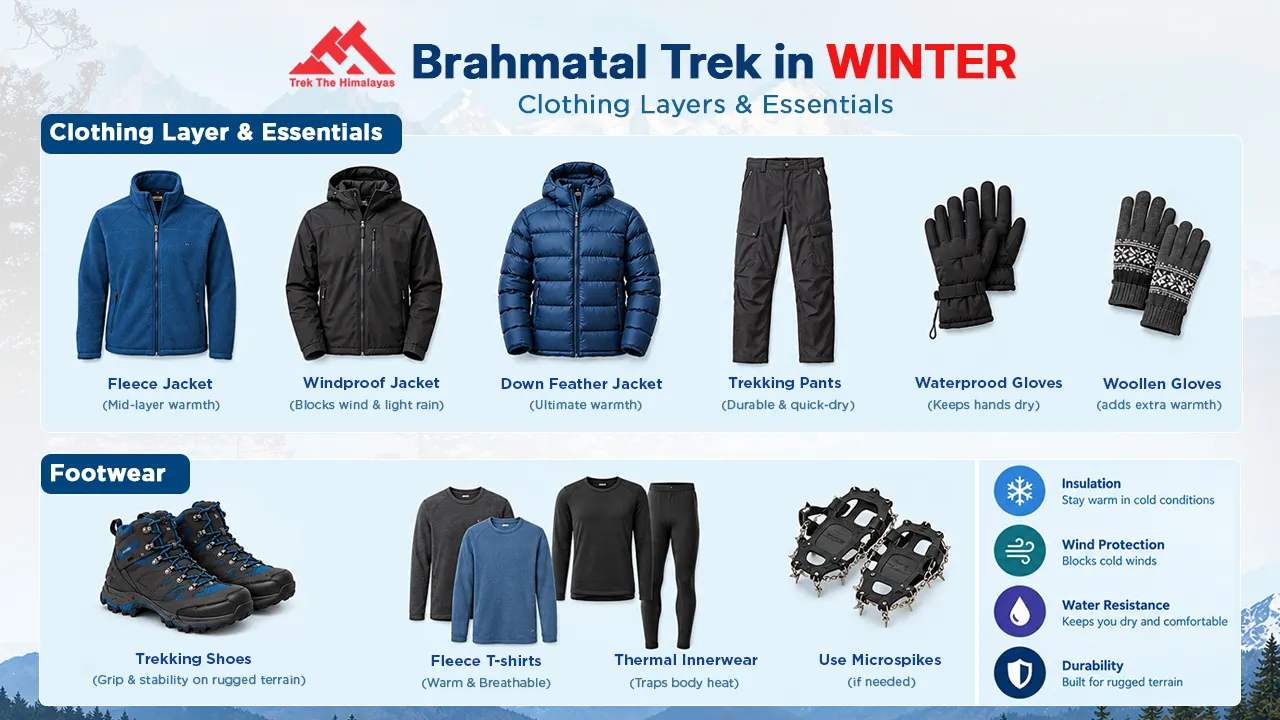
That being said, it is very important for you to pack all the essentials. For that, you should have a list of everything you might need for the trek.
To start with, the clothing layers. You will need a fleece jacket, a windproof jacket, a down feather jacket, trekking pants, fleece T-shirts, thermal innerwear, waterproof gloves, and woollen gloves. Then, for shoes, you will need to carry your trekking shoes (with microspikes) and camping slippers. If you want to know what gear you need, check out this detailed PDF on trekking essentials.
Apart from these, one important thing you should carry with you is some valid documents. No matter where you are going for a trek in India, it is mandatory to carry your documents for identification purposes. Some common documents accepted everywhere are Aadhaar card, Voter ID, and Driver’s License. For international visitors, a passport and Indian Visa are necessary. In addition to these, a fitness certificate is a plus.
The name itself gives you excitement bumps. But it’s not as easy. At least not when you aren’t fully aware. By now, you have got an idea about the challenges you might face, the essentials you need to carry, the location, the trail, and everything else. What you now have to understand is the preparation that goes beyond these material things. Yes, there’s more than just this physical stuff.
One of the obvious, yet overlooked aspects of trekking. Physical fitness is a must for trekkers. While on the trek, to reach the summit within the given duration, you should be prepared to walk about 5-7 km everyday, on ice and snow; adapt to the changing altitude; get accustomed to uneven terrain, and so much more. To be able to do that, one must practice basic exercises like walking/jogging, climbing stairs, yoga and breathing exercises (to help strengthen lungs), squats, etc. This will not only make you fit but also help you increase endurance to cope with exhaustion, fatigue, or injuries during the trek.
Trekking, in reality, isn’t just walking up the hill with beautiful views. Something everyone should understand is that the air pressure will drop, altitude increases as you go higher, the ground will be uneven, the weather will change as you move forward, temperatures swing drastically between day and night, and there are chances of unforeseen circumstances that may lead to discomfort. To cope with everything, you should be mentally prepared while keeping calm. The mountains test your patience, but the summit will always be worth it!
The mountains are glorious. Let’s keep them that way. A good trekker and true lover of nature understands that the mountains cannot recycle your waste wrappers themselves. So let’s help them out by carrying that waste back to the base. Do not litter just because you might see someone else do so. If possible, encourage people to keep the region clean and safeguard the wildlife around the place. Take responsible actions to maintain the sanctity and beauty of the peaks.
Apart from all these, some basic points are: do not overpack - keep the bag light, stay hydrated, eat well, respect the local culture, learn basic first aid skills, never leave the trail, follow the trek guide, and adhere to the instructions. The mountains, though insanely gorgeous, can turn scary if you don't know the basics. Lastly, listen to your own body. Keep your health conditions in mind, and inform the trek leaders about any discomfort so they can take the necessary precautions.
That’s pretty much everything you need to know before heading on for your Brahmatal trekking experience. We all have that one picturesque dream of going on a trek that reflects the best colours of nature. Well, that dream can come true in the bestest way possible. Just keep safe and follow all the protocols to get the best experience.
Now, what’s the wait for? Just pick your month and book your trek. The mountains are calling.
Usually, the winter months (December - February) are the best months for trekking in Brahmatal. During that time, you will find the area covered in snow trails, and the sunrise is majestic at the peaks. But if you are someone looking for an even easier climb, summer or autumn months may suit you best.
The Brahmatal trek is marked as an easy-to-moderate level trek, making it one of the best beginner-friendly treks of all time.
The best time totally depends on one’s personal preference and endurance level. December witnesses the start of snowfall, when the trail is initially made, and it's easier to trek. January is the peak snow season, which tests your strength and patience level, and during February, the snow gradually starts compacting, and glacial lakes freeze completely. But one thing remains common throughout winters - the beauty of the mountains.
While preparing for the trek, you must pack layers of clothing, a water bottle, suitable shoes, a trekking pole, and (if possible) a digital camera to capture your best moments.
13 October 2026

Trek updates, stories & mountain insights.
Tips and insights for every trekker.
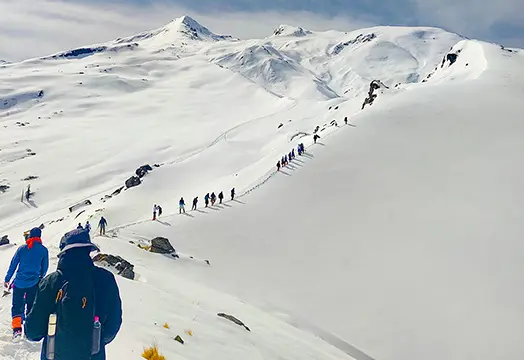

Every season in the Himalayas has its own way of showing off the mountains, but winter reveals a different side of them, one that feels like a whole new world.
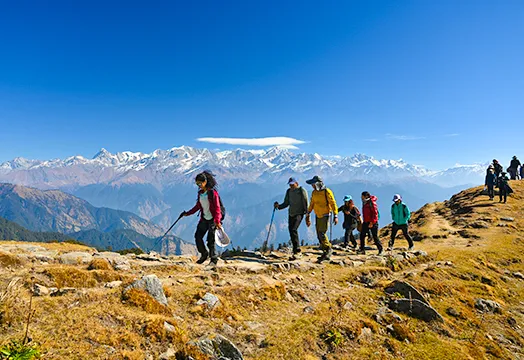
As monsoon season comes to an end, it washes away all the dust and haze that remains in the valleys throughout the summer, and then?
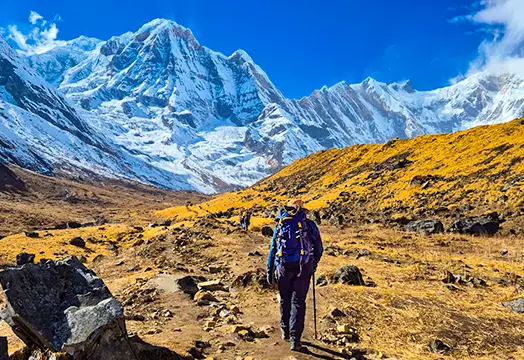
Located in north-central Nepal's Gandaki Province, Annapurna is the world's 10th highest and one of the most challenging mountains on the planet. Its height rises to 26,545 feet. Yet reaching Annapurna base camp is a far more accessible adventure, drawing trekkers from around the world every single season.
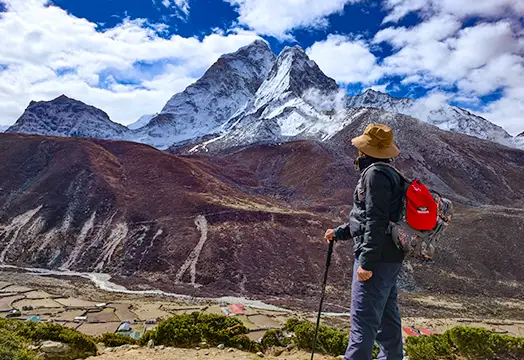
What does it feel like to stand on a trail where the mountain before you is worshipped as a goddess? For most of us, it's an adventure. But for the local communities who live in its shadow, it's something closer to faith. That mountain is Everest.

Over the last few decades, trekking has driven a profound shift: rural economies and local communities are reaping direct and indirect benefits.

Hiking teaches you to fall in love with the outdoors. Trekking teaches you to endure it. Mountaineering teaches you to respect it completely.

There are only a handful of Himalayan regions that hold profound spiritual significance as well as immense natural beauty. The Gaumukh Tapovan trek is one such destination that wonderfully combines adventure, divinity, and extraordinary Himalayan beauty.

What if a trek could leave you with more questions than answers? What if, after days of trekking, you reach a lake filled with centuries-old human skeletons?

Every year, every season reveals a new side of the Himalayan range. Be it trails covered in colourful rhododendrons or trails transformed into a lush green paradise, each season offers some of the most mesmerizing views of the Himalayas.

Altitude sickness is a physical reaction that occurs when you climb faster than what your body can adapt, especially in regions where air pressure and availability of oxygen tends to drop.
13 Oct 2026
12 Oct 2026
11 Oct 2026
10 Oct 2026
09 Oct 2026
08 Oct 2026
07 Oct 2026
06 Oct 2026
05 Oct 2026
04 Oct 2026