
28 October 2026
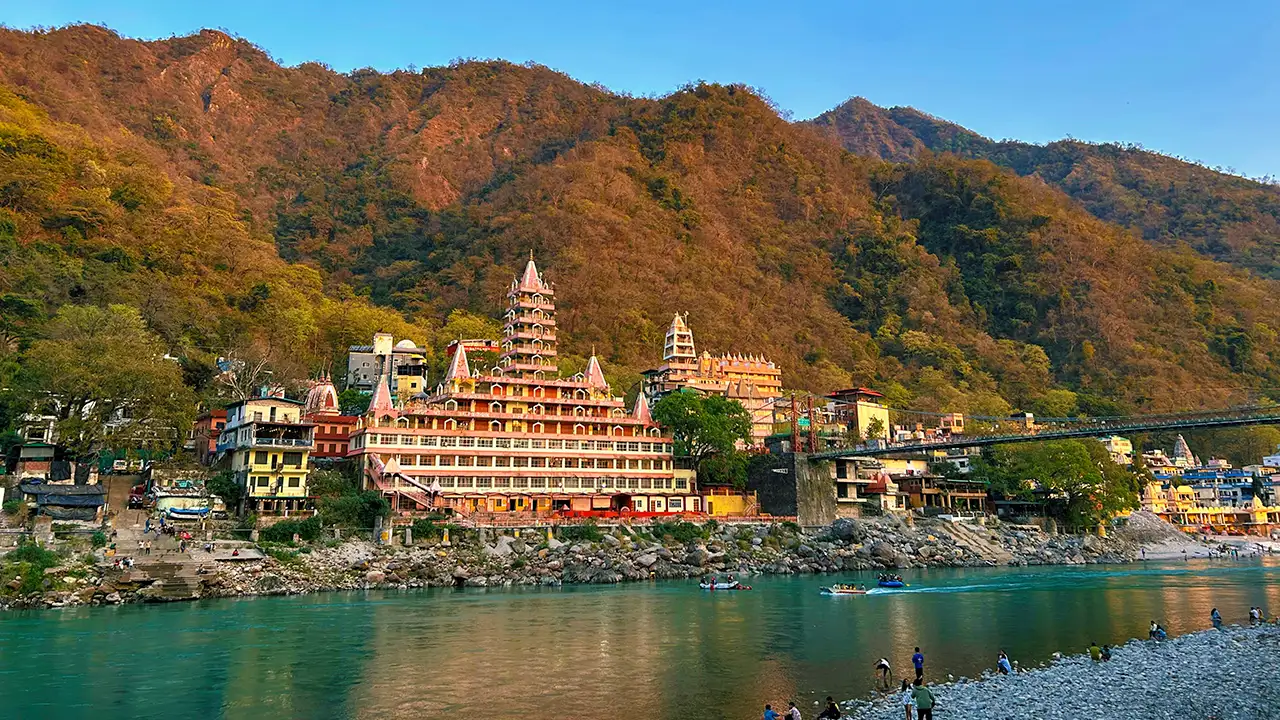
Rishikesh is a popular tourist destination in Uttarakhand, and there is a valid reason for its popularity. It offers you a bit of everything, from spiritual calmness to thrilling adventures. With the serene Ganga ghats, historic temples, peaceful ashrams, iconic suspension bridges, bustling cafés, and vibrant markets filled with global travellers, the city has various attractions for everyone.
For trekkers, passing through the city before or after a trek, Rishikesh deserves to be more than just a stop on your itinerary. So if you do have some extra time, explore the “Yoga Capital of the World” a little before heading towards the mountains. To help you maximize your time, here is a curated guide to 10 unskippable sightseeing spots in Rishikesh.
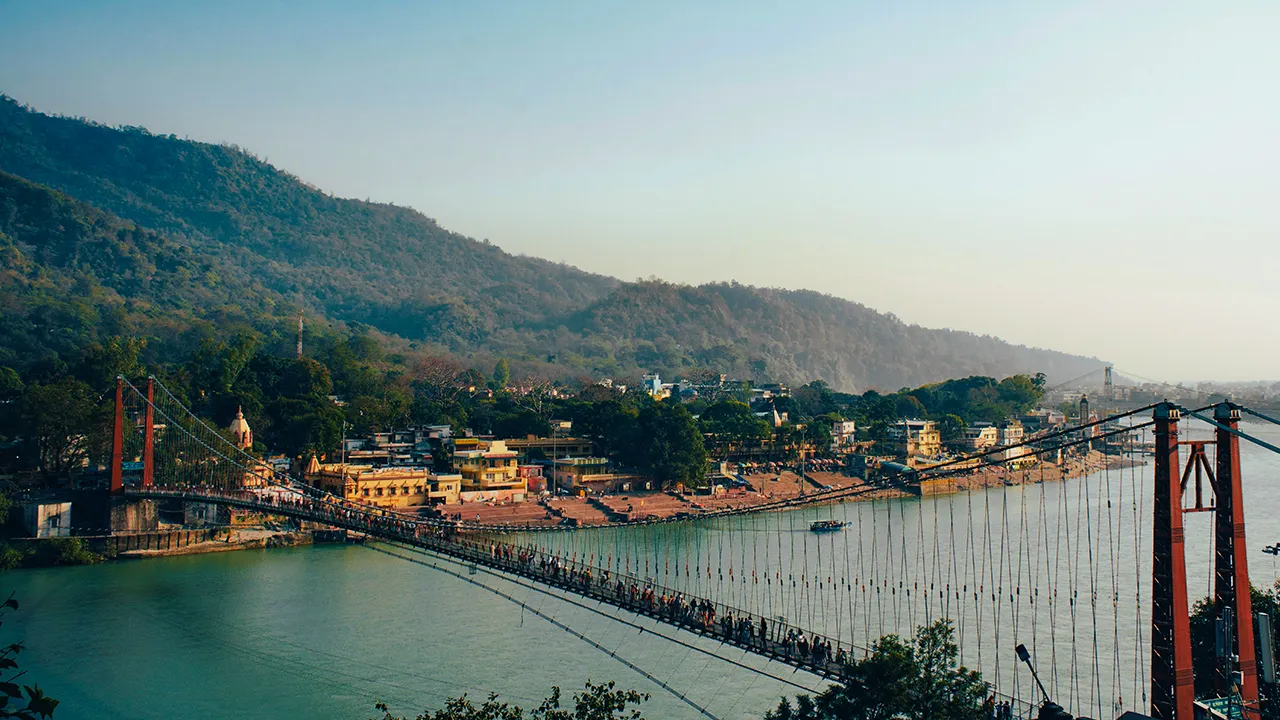
Laxman Jhula and Ram Jhula are two of the most scenic parts of Rishikesh. They connect the liveliest parts of the city, where you can cross them to discover cafés and temples, or simply find a spot by the river and watch the city go by. This is the reason that the area surrounding these bridges gets especially lively in the evening, with travellers, sadhus, shopkeepers, and locals all adding to the atmosphere. So, it is also a good place to start exploring Rishikesh on foot.
Tip: The bridges can get crowded during evenings, weekends, and holidays. Wear comfortable footwear and keep your belongings secure while crossing. Also, Laxman Jhula itself is currently closed to pedestrians, so check the latest access arrangements before planning your visit.
If you have a day to spare, then this temple can be on your list. The Neelkanth Mahadev Temple is based on the Hindu mythology of Shiva consuming the poison. It is believed that the incident that turned his throat blue and earned him the name Neelkanth, meaning “blue-throated,” happened right here at this place. This temple, dedicated to Shiva, is surrounded by forested hills and is about 30 km from Rishikesh, so getting here takes a little time. Once here, you can visit the temple, spend some quiet time around the complex, and enjoy the peaceful surroundings.
Tip: Keep a few hours aside for the trip, including travel time. The road is winding in places, so if you are travelling by car or taxi, allow some extra time rather than planning it as a quick stop.
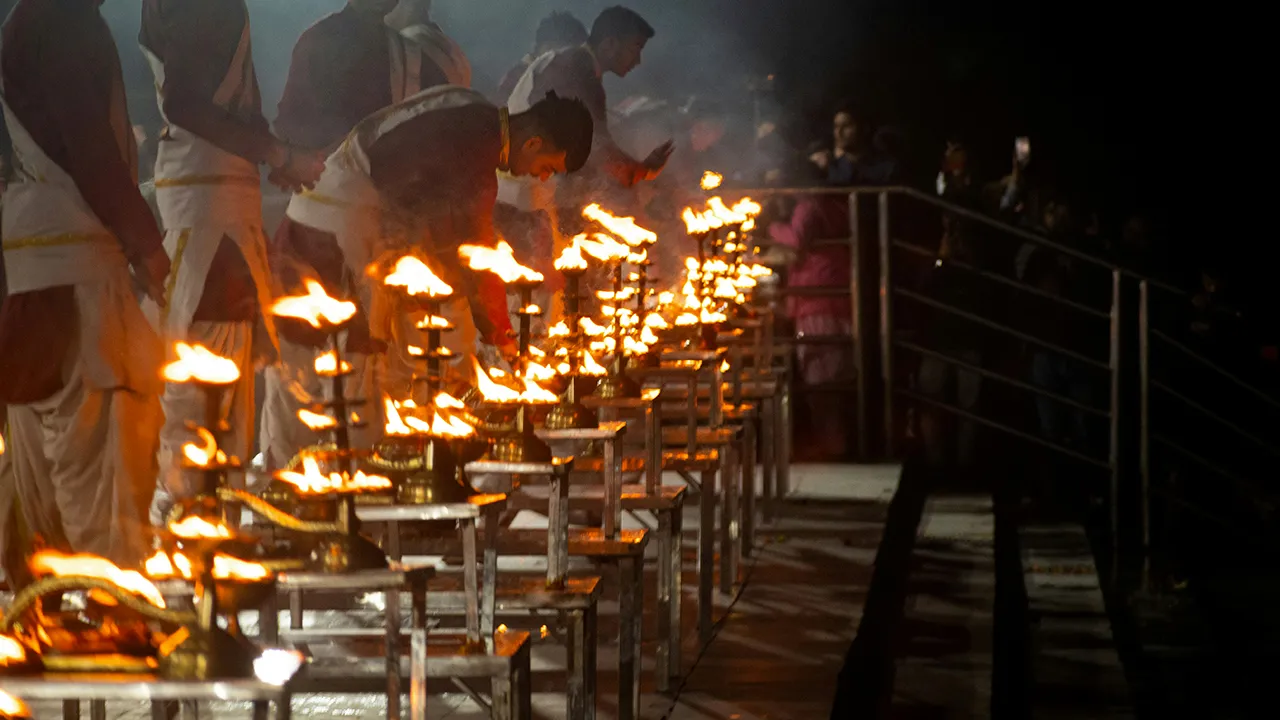
If you have less time but want to get the best experience of the spiritual side of Rishikesh, head to Triveni Ghat. It is one of the most popular spots, best known for its evening Ganga Aarti in Rishikesh. As the sun goes down, the ghat comes alive with lamps, chants, and the sound of bells as devotees gather by the river. Even without the aarti, Triveni Ghat is worth a visit. You can sit by the Ganga, take a quiet walk along the riverside, or simply watch the daily rituals taking place around you. It is a different experience from the busier adventure side of Rishikesh and gives you a chance to slow down for a while.
Tip: If you want to attend the Aarti, reach early to find a good spot, especially during weekends and peak tourist seasons. Check the day’s Ganga Aarti timing before you go, as it can change with the season.
The Neer Garh Waterfall is a short forest walk from the road and leads to rocky pools and cascading water. The waterfall has a few levels, so you can walk further up if you feel like exploring instead of stopping at the first pool. Out here, you leave the city behind and make your way through the greenery, with the sound of the water getting louder as you go. It is a good option if you have a few hours free and want something outdoors without committing to a full-day excursion.
Tip: Wear shoes with a good grip, as the trail and rocks can be slippery. Also, avoid getting into the pools during or immediately after heavy rain, when the water flow can become stronger.
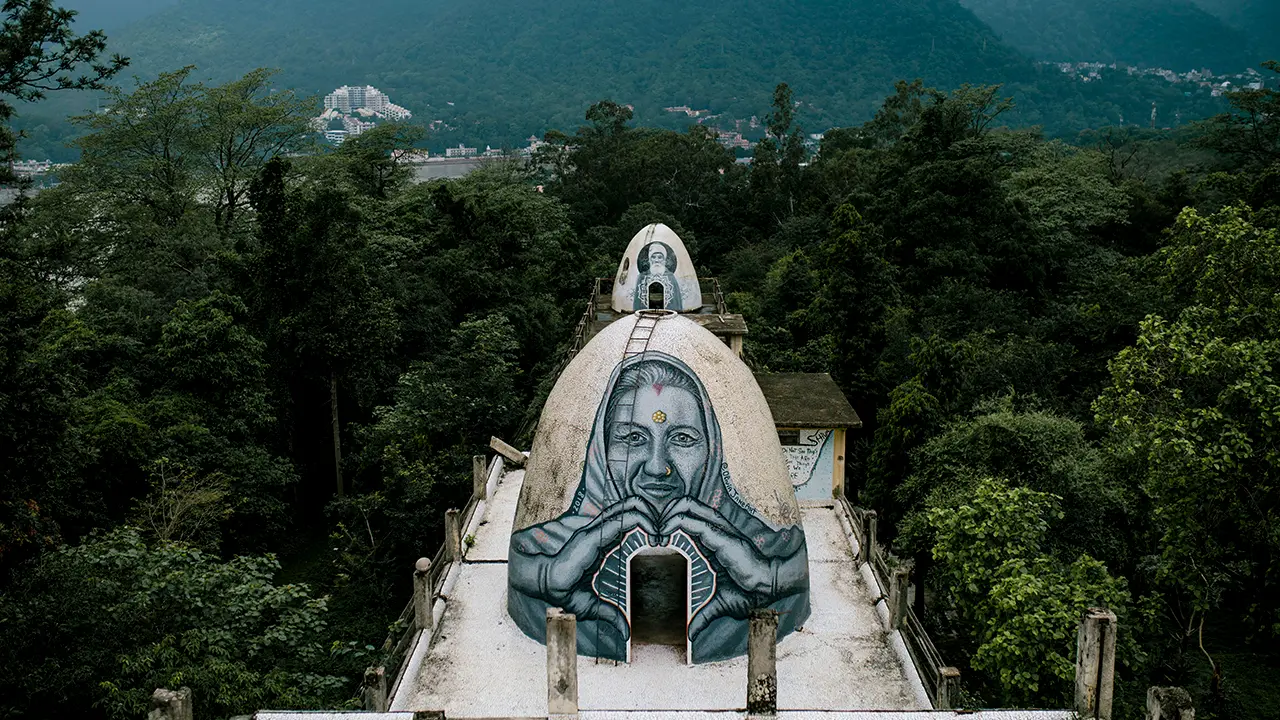
Not as much of an ashram anymore, but this place became famous after the popular band, ‘The Beatles’, visited Rishikesh in 1968 to learn transcendental meditation. If you visit it today, you’ll find abandoned meditation huts, old buildings, colourful murals, and graffiti that make the place interesting even if you are not a Beatles fan. And no, you don’t need to spend the entire day here. Just a couple of hours is enough. Also, this is one of the best offbeat places in Rishikesh.
Tip: Entry Fee- ₹200 for Indian adults, ₹1,200 for foreigners, and ₹ 50 to ₹100 for Indian students and senior citizens (valid IDs required). Standard cameras are free, while handheld DSLRs and professional gear like heavy tripods may incur extra local permit fees up to ₹2,000. Also, wear comfortable shoes, as there is quite a bit of walking involved.
If you don’t mind waking up early, Kunjapuri Devi Temple is worth adding to your Rishikesh plans. Perched at around 1,676 metres, the temple is one of the 51 Shakti Peethas and is believed to be the place where Goddess Sati’s chest fell. The temple also offers wide views of the surrounding Himalayan peaks and the Ganga valley. For trekkers, getting here is part of the experience. You need to climb around 300 steps to reach the temple, but the views at the top make the effort worthwhile. On a clear morning, the sunrise from here is particularly beautiful, so you can turn the visit into a short early-morning outing before returning to Rishikesh.
Tip: Start early if you want to catch the sunrise and avoid the midday heat. Carry a water bottle and wear comfortable shoes for the climb. Check the weather forecast beforehand, as clouds can sometimes block the mountain views.
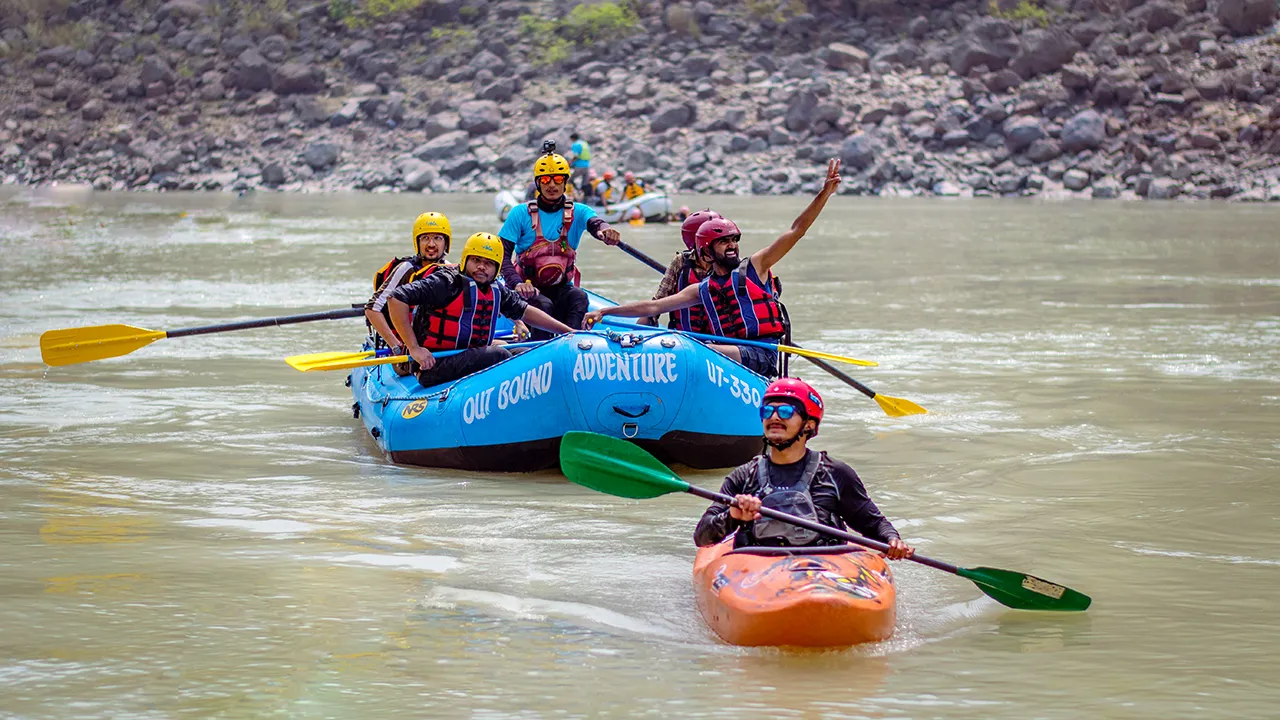
If you are looking for something more adventurous, Shivpuri is the place for you. Located around 15 km from the city, this small riverside town is best known for its river rafting in Rishikesh on the Ganga. It is also surrounded by forested hills, which makes the drive here quite scenic.
Rafting is the main attraction, but you don’t have to spend the entire day on the river. You can also grab something to eat at one of the cafés or camps around the area, and spend some time by the Ganga before heading back to Rishikesh. For trekkers, it can be a fun way to spend a free day before or after a trek.
Tip: If you plan to go rafting, book with a registered operator and check the current river conditions before you leave. Rafting is seasonal and may be restricted during heavy rainfall or high water levels. The most suitable time is from late September to early June.
|
How can we skip this part? One thing Rishikesh has recently seen rapid growth in is aesthetic cafés. Since there are a lot of foreign tourists visiting the city, many food ventures have filled up the place.
Some of the most famous ones are:
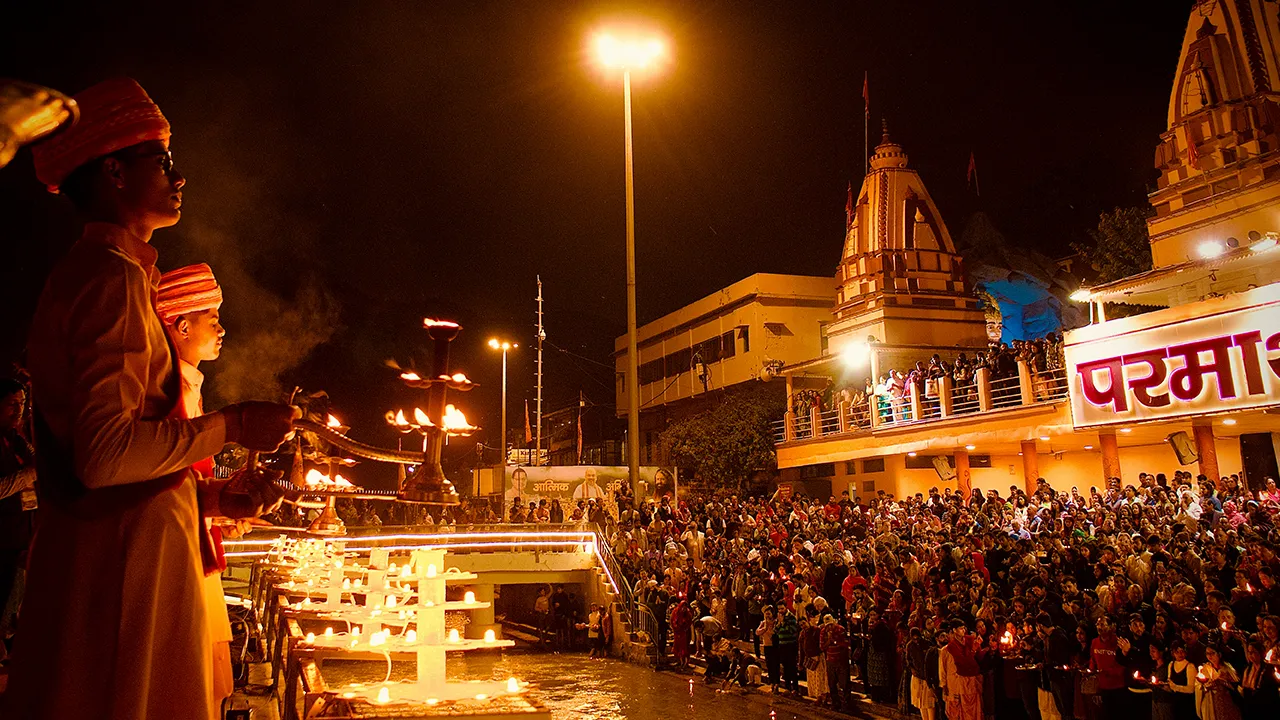
You must have seen the large Shiva statue sitting beside the Ganga in pictures of Rishikesh. That is Parmarth Niketan. But there is more to this ashram than the famous riverside view. It was a small space built by Swami Shukdevanandji, who came here to meditate on the banks of the Ganga.
Over the years, that little space grew into one of the largest ashrams in Rishikesh. Today, people come here for yoga, meditation, spiritual programmes, and, of course, the evening Ganga Aarti. If you are in Rishikesh for the first time, this is one of the best places to experience the spiritual side of the city.
Tip: If you want to attend the Ganga Aarti, check the day’s timing before you go, as it changes with the season. Reach a little early to get a place by the ghat, especially during weekends and peak tourist months.
Are you coming to Rishikesh before your trek? Then don’t forget that the mountains are still ahead. So don’t try to squeeze every attraction into your one spare day. Pick a few places that fit your schedule, keep some time to rest, and pack your trek essentials before you head out. If you are planning an adventure activity like rafting, give yourself enough time to recover before the trek. Also, if you are travelling during the monsoon, check the weather and road conditions before heading to places farther from the city.
Most importantly, use your time in Rishikesh to enjoy yourself without tiring yourself out. After all, you will want your energy for the trail.
28 October 2026

Trek updates, stories & mountain insights.
Tips and insights for every trekker.
28 Oct 2026

27 Oct 2026
26 Oct 2026
25 Oct 2026
24 Oct 2026
23 Oct 2026
22 Oct 2026
21 Oct 2026
19 Oct 2026
18 Oct 2026
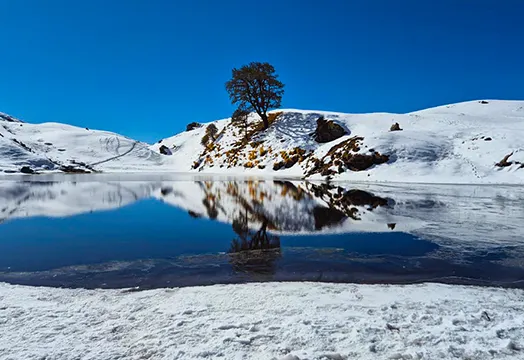
Winter is almost here, and you're still planning on following the same routine. Sitting in a blanket, sipping on hot tea, and binge-watching your favorite movies.
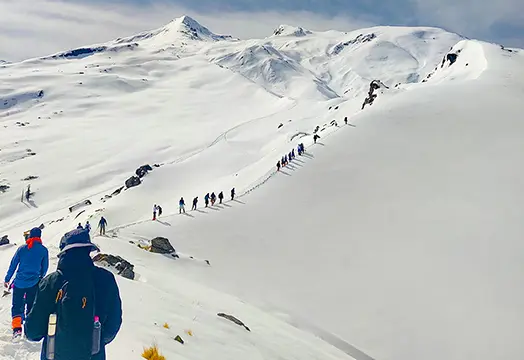
Every season in the Himalayas has its own way of showing off the mountains, but winter reveals a different side of them, one that feels like a whole new world.
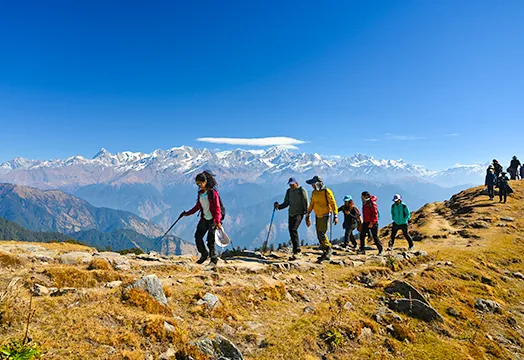
As monsoon season comes to an end, it washes away all the dust and haze that remains in the valleys throughout the summer, and then?
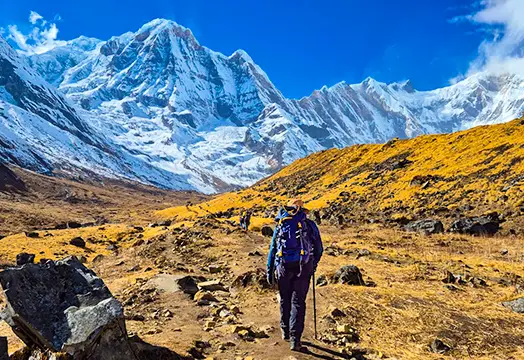
Located in north-central Nepal's Gandaki Province, Annapurna is the world's 10th highest and one of the most challenging mountains on the planet. Its height rises to 26,545 feet. Yet reaching Annapurna base camp is a far more accessible adventure, drawing trekkers from around the world every single season.
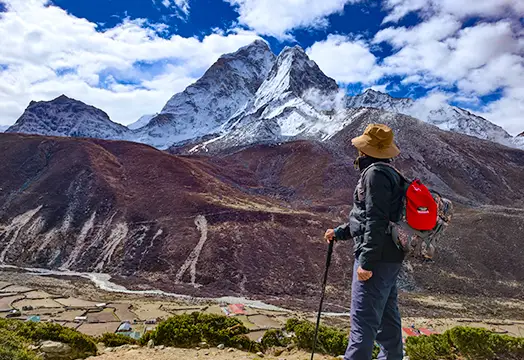
What does it feel like to stand on a trail where the mountain before you is worshipped as a goddess? For most of us, it's an adventure. But for the local communities who live in its shadow, it's something closer to faith. That mountain is Everest.

Over the last few decades, trekking has driven a profound shift: rural economies and local communities are reaping direct and indirect benefits.

Hiking teaches you to fall in love with the outdoors. Trekking teaches you to endure it. Mountaineering teaches you to respect it completely.

There are only a handful of Himalayan regions that hold profound spiritual significance as well as immense natural beauty. The Gaumukh Tapovan trek is one such destination that wonderfully combines adventure, divinity, and extraordinary Himalayan beauty.

What if a trek could leave you with more questions than answers? What if, after days of trekking, you reach a lake filled with centuries-old human skeletons?

Every year, every season reveals a new side of the Himalayan range. Be it trails covered in colourful rhododendrons or trails transformed into a lush green paradise, each season offers some of the most mesmerizing views of the Himalayas.