
30 October 2026
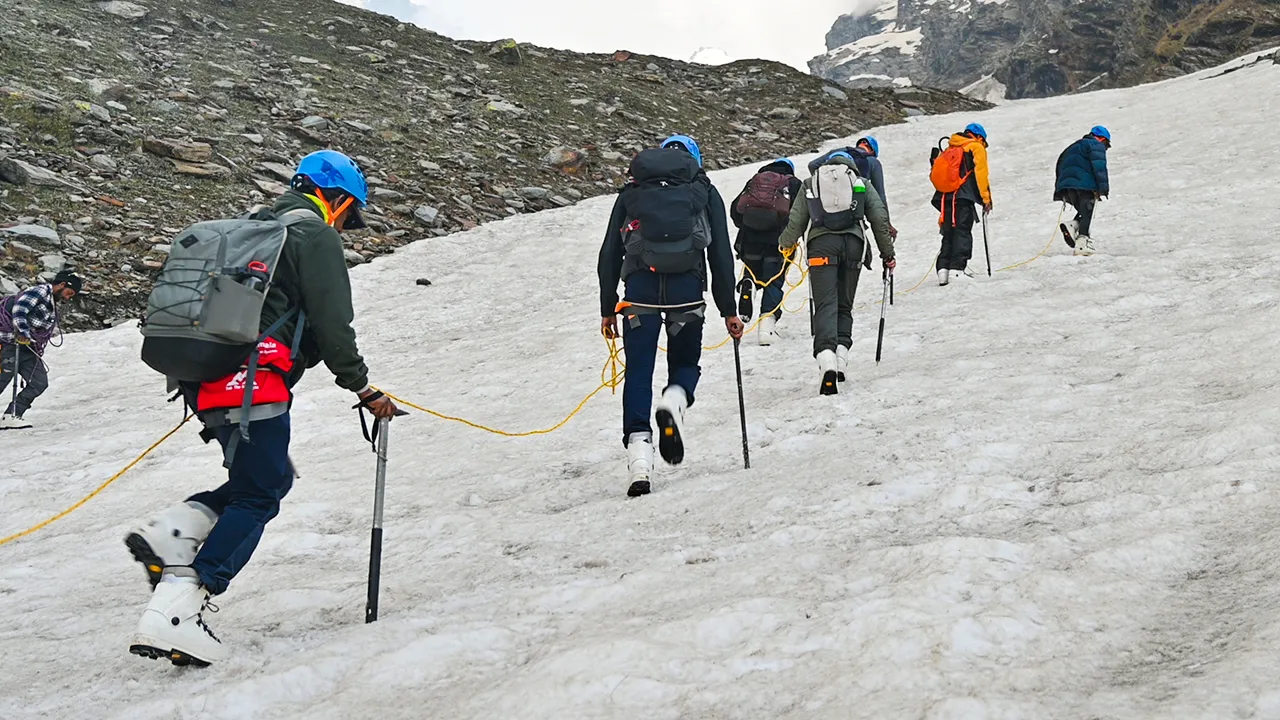
For Trek The Himalayas (TTH), safety is paramount the foundation of everything we do. Right from the inception, we have been actively safeguarding the health, lives, and overall well-being of trekkers, staff, and the environment.
When it comes to high-altitude terrain, where beauty and risk go hand in hand, safety is not just a protocol to follow, it's a philosophy we deeply abide by.
The Himalayan trekking comes with unique challenges: steep slopes, rugged terrain, unpredictable weather, less oxygen, and remote places. These can pose serious risks such as altitude sickness, injuries, and environmental hazards. TTH recognizes these challenges and has developed a comprehensive safety system that covers every aspect of trekking.
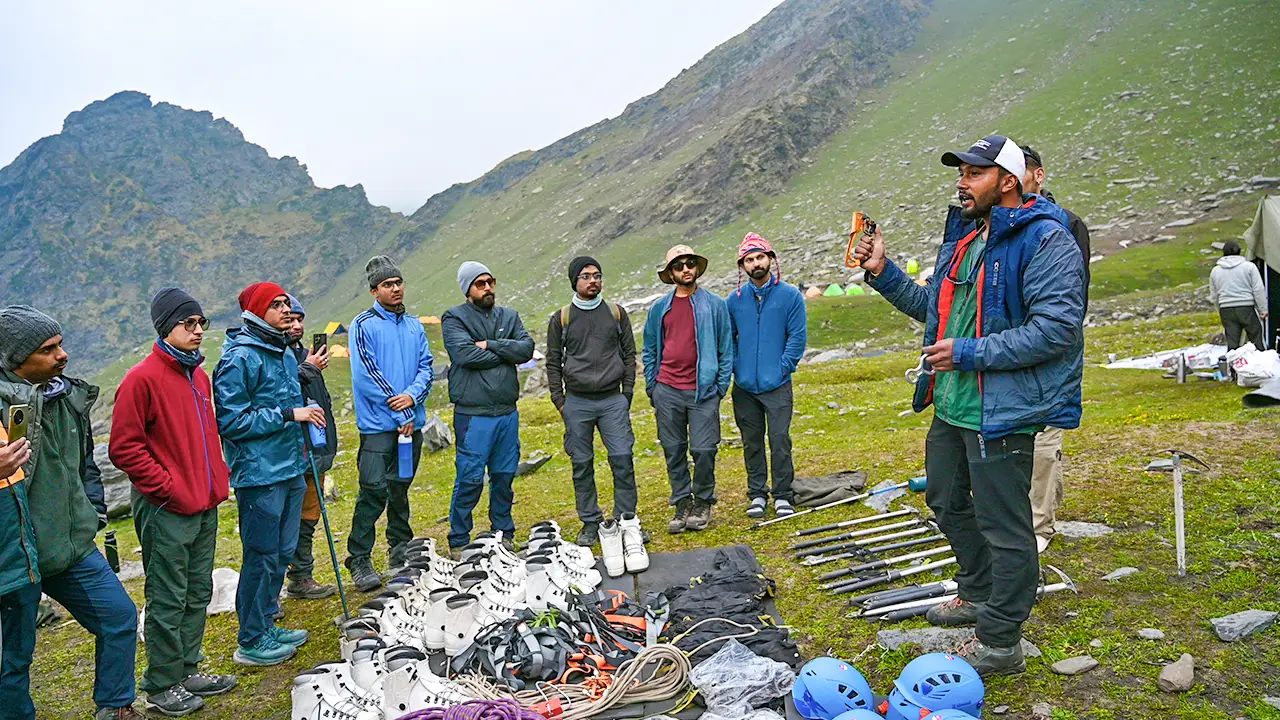
TTH is committed to incorporating world-class safety standards throughout our trekkers’ journey.
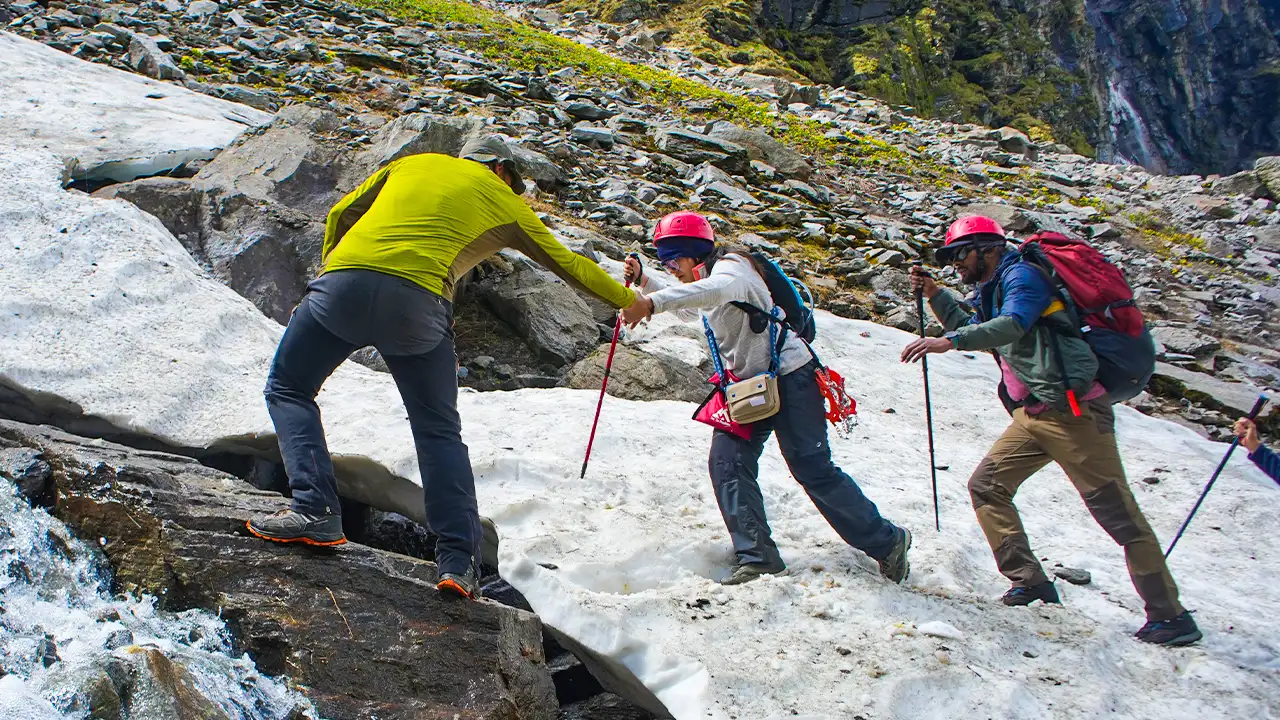
Trek leaders are one of the most critical aspects of safety at TTH. Their strong leadership forms the backbone of every successful journey. Their presence means that trekkers are protected and cared for at every step.
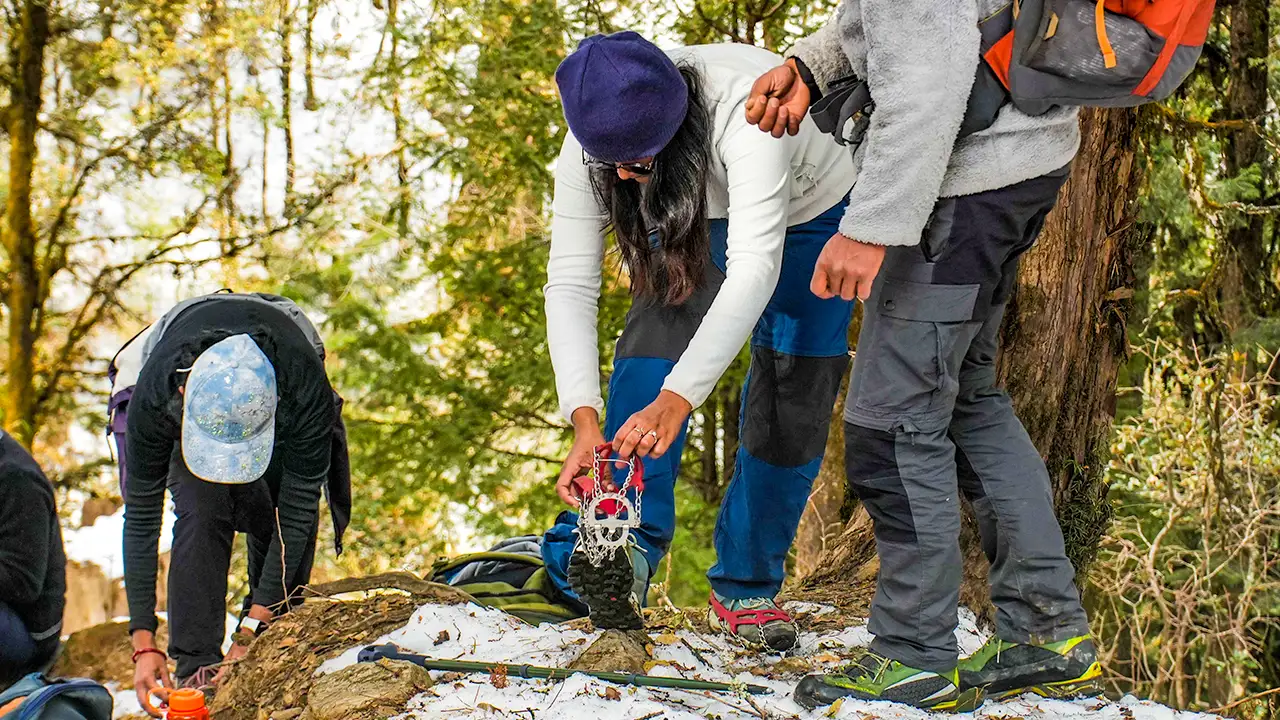
When it comes to the high-altitude Himalayas, it is said that you can experience four distinct seasons on the same day because that’s how unpredictable the weather is over there. So, in such an environment, safety depends not only on human expertise but also on the quality of equipment.
At TTH, we put a strong emphasis on using the advanced safety gear that is best in the category. Based on the severity of terrains, our equipment is carefully selected to provide reliability, durability, and maximum safety.
Here is our specialized equipment to significantly reduce the risk of slips, falls, and injuries:
For challenging expeditions involving strenuous snow terrains, we deploy specialized and dedicated snow technical teams. These experts have been effectively and efficiently managing difficult sections to ensure safe passage through high-risk zones.
Finally, a regular equipment check is integral to our uncompromised safety regime. Fully-functional, proper gear is not just about comfort; it’s critical for survival in the mountains.
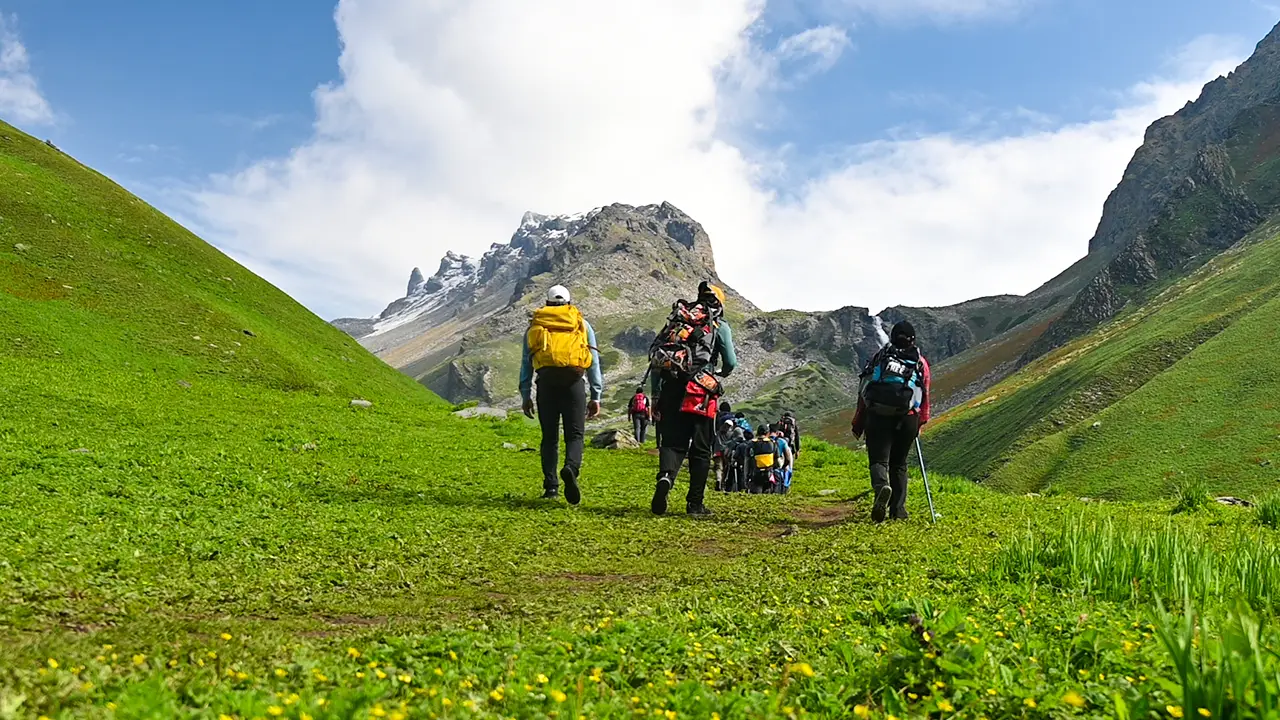
With the safety-first approach, we design organized and systematic itineraries that are combined with scientifically planned acclimatization measures.
With the help of local guides, our experts do extensive research about the terrain, altitude profile, weather patterns, trail difficulty, and risk assessment. This gradual and steady progression model is essential in preventing altitude mountain sickness (AMS).
Planned acclimatization days are strategically placed at certain altitudes where the body needs additional time to adapt. These rest days involve activities that help improve oxygen absorption and circulation, and speed up the acclimatization process.
Our structured itineraries also include buffer time that provides flexibility to make sure that the physical stress is minimized and trekkers are allowed a controlled and safe ascent.
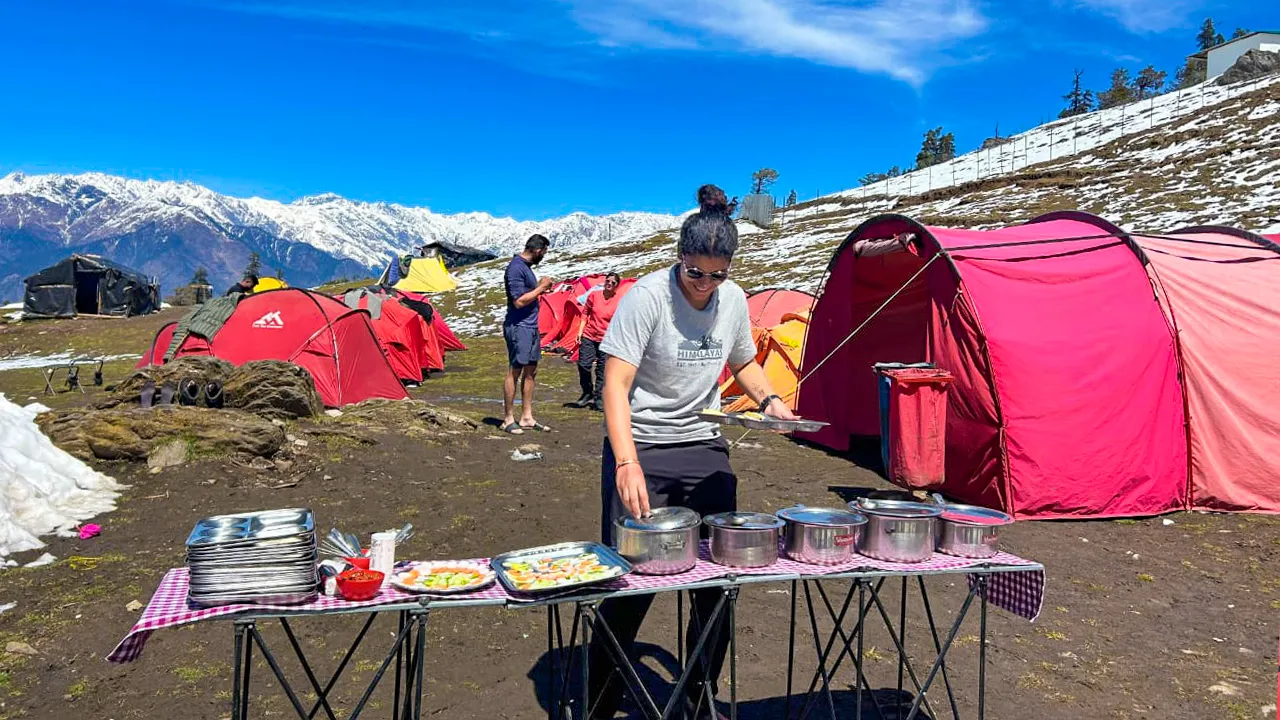
At higher altitudes, the body is under tremendous physical stress. Here, nutrition and hydration play a key role in terms of performance and safety. What trekkers eat and drink directly impacts their energy levels.
To cater to these sustained energy demands, our meals include a perfect combination of carbohydrates, proteins, and essential fats.Carbs are the primary source of energy and are easier to metabolize at high altitudes.
Warm meals like rice, lentils, vegetables, and local dishes deliver essential nourishment in cold environments. Whereas proteins are vital for muscle recovery and endurance. Our meal plans incorporate sources like lentils, legumes, dairy, and other protein-rich foods.
Apart from these nutritious meals, there are some other meals too that we offer during the trek. If you want to know about them, you can click on the “Food services provided by TTH” and get the complete list of all the tasty and healthy food we cater to all the trekkers.
There’s no doubt that the Himalayan trekking offers an incredible experience, but it also demands deep respect for nature and in-depth preparation.
Trek The Himalayas combines advanced protocols, experienced leadership, dependable equipment, and a strong commitment to trekker well-being.
Throughout the journey, every aspect is perfectly planned to make sure that trekkers can explore the wilderness with intense comfort and peace of mind.
The best way to choose a trekking company for your adventure is to look for their details like whether they have certified trek leader or not, what is their trek leader to trekker ratio, about their safety gears, and how well have they planned the itinerary as well as accommodation.
During trek if any trekker experiences any possible symptoms of AMS, then it’s the trek leader's responsibility to monitor every trekker’s health, identify their symptoms, if necessary send them back to the base camp and always carry an Oxygen cylinder and pulse oximeter on hand for immediate purpose.
Firstly, all the trek leaders in TTH are trained first responders. Therefore, at times of any medical emergency our trained trek leaders always carry first aid kits for a safe side. Apart from that, they also carry extra oxygen cylinders, and a back up team is always on stand by to assist them.
To hire a trek leader or any other ground field staff, TTH makes sure that they must have proper BMC and AMC training, and they should be a well - trained first aid responder.
The best way to pick a company for solo trekking is to check four things: the trekker-to-leader ratio, the batch size, how well solo trekkers are looked after, and how well the group and leader bond. That’s why TTH always scales its staff to the number of trekkers.
Maintaining women's safety for any trekking company is very important. So, as a female trekker, look for a company that takes care of things like proper accommodation for a female trekker according to their need, proper ratio of male and female in the group and a female staff or a trek leader should be there.
For any high - altitude trek having a proper acclimatization day in the itinerary, using reliable good quality gears, and having a highly trained, experienced trek leader as your guide, who knows the terrain way too well is very important. Therefore, before booking the trek check the itinerary properly, trekking gears too and get to know about your trek leader qualifications as well.
Since 2010, TTH has followed a non-negotiable “safety-first protocol.” From hiring highly trained trek leaders and adding extra staff to ensuring trekker hygiene, women’s safety, and comfortable accommodation, we always go the extra mile to keep trekkers safe.
30 October 2026

Trek updates, stories & mountain insights.
Tips and insights for every trekker.

Winter is almost here, and you're still planning on following the same routine. Sitting in a blanket, sipping on hot tea, and binge-watching your favorite movies.
Every season in the Himalayas has its own way of showing off the mountains, but winter reveals a different side of them, one that feels like a whole new world.
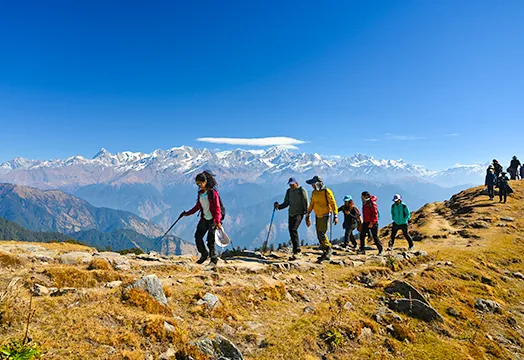
As monsoon season comes to an end, it washes away all the dust and haze that remains in the valleys throughout the summer, and then?
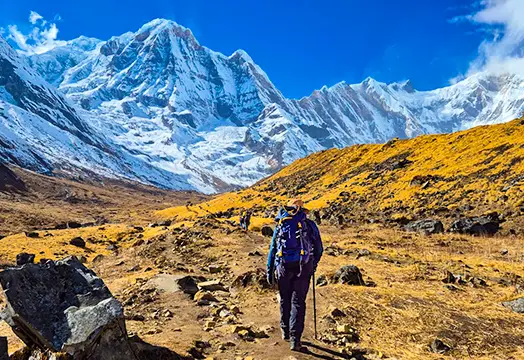
Located in north-central Nepal's Gandaki Province, Annapurna is the world's 10th highest and one of the most challenging mountains on the planet. Its height rises to 26,545 feet. Yet reaching Annapurna base camp is a far more accessible adventure, drawing trekkers from around the world every single season.
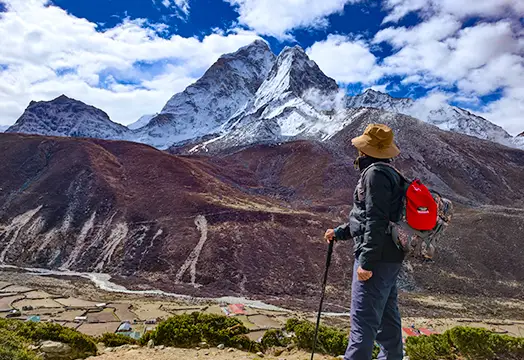
What does it feel like to stand on a trail where the mountain before you is worshipped as a goddess? For most of us, it's an adventure. But for the local communities who live in its shadow, it's something closer to faith. That mountain is Everest.

Over the last few decades, trekking has driven a profound shift: rural economies and local communities are reaping direct and indirect benefits.

Hiking teaches you to fall in love with the outdoors. Trekking teaches you to endure it. Mountaineering teaches you to respect it completely.

There are only a handful of Himalayan regions that hold profound spiritual significance as well as immense natural beauty. The Gaumukh Tapovan trek is one such destination that wonderfully combines adventure, divinity, and extraordinary Himalayan beauty.

What if a trek could leave you with more questions than answers? What if, after days of trekking, you reach a lake filled with centuries-old human skeletons?

Every year, every season reveals a new side of the Himalayan range. Be it trails covered in colourful rhododendrons or trails transformed into a lush green paradise, each season offers some of the most mesmerizing views of the Himalayas.
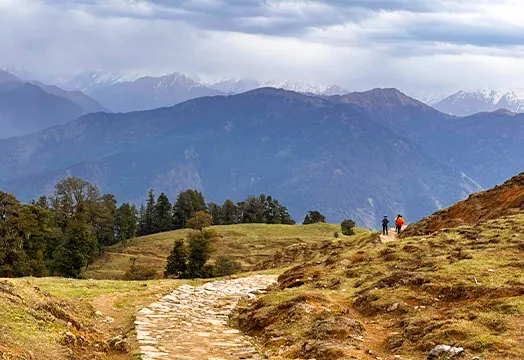
30 Oct 2026
29 Oct 2026
28 Oct 2026
27 Oct 2026
26 Oct 2026
25 Oct 2026
24 Oct 2026
23 Oct 2026
22 Oct 2026
21 Oct 2026