
10 June 2026

Witnessing each season in the mountains is truly one of the most beautiful experiences in itself. And just like every other season, the monsoon has its own unique charm. The entire trail is covered in lush greenery; at almost every corner, beautiful waterfalls appear along the path, and the whole trek begins to feel like the most surreal place to be. However, the beauty of this season comes with its own set of challenges that many trekkers tend to underestimate.
What’s interesting is that, half of the time, the problems a trekker faces during their journey do not occur because of the weather conditions. In fact, they often arise from avoidable mistakes that could have been prevented with the right knowledge and preparation.
Many times, trekkers pack the wrong type of footwear for the slippery trail or neglect to hydrate themselves because the weather feels cool. And all these small mistakes? They can easily turn your beautiful trekking experience into an exhausting and uncomfortable journey that you will remember for all the wrong reasons.
In such situations, the most appropriate thing to do is "to understand what mistakes to avoid and which tips you should follow." Being aware of these factors is one of the most effective ways to prepare yourself for your next monsoon adventure. Therefore, to help you enjoy a safer and smoother trekking experience, we spoke with our experienced trek leaders. Drawing from their practical insights and years of expertise, we have put together this comprehensive guide on the most common monsoon trekking mistakes to avoid. Because sometimes, a successful trek isn't about doing extraordinary things, it's simply about avoiding the mistakes that can hold you back from fully enjoying the journey.
To make sure that you don’t commit the same common blunders that many trekkers have made while preparing for their monsoon trek, we have compiled a list of mistakes that every trekker should avoid making at all cost.

Most of you already know that wearing cotton clothes is quite common because cotton is a very soft, breathable, and comfortable fabric. However, you should also know that wearing cotton during the monsoon season can cause several problems while trekking. How?
The Mistake: Well, wearing cotton during a trek is a big mistake because cotton acts like a sponge. It absorbs moisture very quickly, but takes a lot of time to dry. If you have noticed, then you must know that once cotton gets soaked in sweat or even in rainwater; it immediately clings to your body, and rapidly starts lowering your body temperature. As a result, it increases the risk of having hypothermia while being in the high altitude region.
The Fix: You can easily avoid this situation by choosing clothes made up of different materials. For monsoon trekking, moisture-wicking synthetic fabrics or nylon are among the best options. These materials dry quickly, keep sweat away from your body, and most importantly, help in keeping your body warm even when you are drenched in rain. Therefore, always try to carry quick dry t-shirts for trekking.

Now, wearing jeans is a “statement of fashion” obviously, and it looks great, feels quite comfortable too, but wearing them is also the most common trekking mistake beginners make while trekking. Instead of choosing quick dry trekking pants, many people wear denim jeans on a trek. And that’s exactly where they commit another mistake. How?
The Mistake: Well, you might know that denim is made from different cotton fibers, and is a dense fabric. Once it gets soaked in rain, it becomes extremely heavy and restricts your movement. As a result, wearing jeans on a trek makes your trek uncomfortable and becomes another reason for your trekking journey getting ruined.
The Fix: Now, this problem can also be fixed just as you can replace cotton T-shirts with better alternatives, you can also replace jeans with more suitable trekking wear. While preparing your packing list for trekking, make sure to add quick drying trekking pants. The material should be the same as quick dry T-shirts. These pants are lightweight, quick - drying, and stretchable allowing you to move comfortably on the mountain trail. You can also carry the zip - off trekking pants, which are especially useful when the weather suddenly shifts from sunny to cloudy and then rainy.

Apart from carrying the right clothes, the most important thing for a trekker to have on a trek is the right pair of trekking shoes. Most of the trekkers usually think that "any sneaker will work”. However, what they don’t know is that during monsoon season, the stakes to wear the right footwear increases significantly.
The Mistake: Wearing regular sneakers or sports shoes may seem like a good idea, but they are not the right choice to wear during trekking. Why? Well if you are walking on wet, muddy, and slippery terrain while wearing them, you could be putting your safety at risk. As they have a poor grip on slippery ground, they also tend to get soaked quickly, provide a little to no ankle support, and also cause painful blisters in your feet.
The Fix: To ensure your safety throughout the trek and prevent slips and falls, make sure that you wear high-quality waterproof trekking shoes while ascending the trail. When you are at the base camp or around your tents, you can switch to anti-slippery trekking footwear to add some comfort and safety.
The best thing about trekking shoes is that they are equipped with deep lugged soles, proper ankle support, and other features that help in maintaining a firm grip on the ground. You can also pair them with moisture free trekking socks to keep your feet dry and safe during the trek. If you would like to learn more about which trekking shoes and socks are right to pack, check our complete “What to pack for a monsoon trek guide”.

Due to the hustle and bustle of city life, trekkers often have a limited vacation time, and in the rush to plan every aspect of their trip, they forget to keep an extra day in their itinerary. And while it may not seem like a big issue, a tightly scheduled plan can quickly become a problem when unexpected situations arise.
The Mistake: While planning a tightly scheduled trekking trip in the mountains, many trekkers forget that they are travelling during monsoon season. It is the time when the weather is highly unpredictable. From landslides to simply experiencing non-stop rain throughout the day can easily halt your journey and throw your carefully planned schedule off track, forcing you to continue your journey in unfavourable weather conditions.
The Fix: So, to make sure that you don’t face such a problem, the best monsoon trekking tip we have for you is to include at least one or two buffer days in your itinerary. In this way, you will get more flexibility to rest, adjust your plans, and continue your trip plan without panicking at all.

During monsoon, hearing the statement “It wasn't raining when I left, so I didn't bother” is probably the most classic reason we all have used at least once in our life, when it starts raining. In daily life, it may not be a big deal, but in the mountains, trekking without carrying a raincoat or poncho can be the biggest monsoon trekking mistake.
The Mistake: The biggest blunder a trekker can make is not carrying the appropriate gears for a monsoon trek. We hope you already know that heading out on a trek, while it’s raining without proper preparation is never a good idea. It will only result in a miserable experience, and may put you in a difficult situation.
The Fix: So, one of the best trekking safety tips you can follow during monsoon is to carry a raincoat/poncho. It doesn’t matter whether it’s sunny in the morning or cloudy, carrying rain protection is necessary. These lightweight, and compact pieces of gears can genuinely be life savers on a monsoon trail.

About trekking poles, there is a myth among trekkers that trekking poles are only meant for “serious category trekkers” or by “elderly trekkers”. However, what many people don’t realize is that managing a monsoon trek without a trekking pole is not an easy task. How?
The Mistake: Well, during monsoon season, most trails become slippery and muddy. Maintaining proper balance with the help of trekking shoes alone is very risky and exhausting. One wrong step and you will experience a bad fall, a twisted ankle, or other injuries.
The Fix: So, to make sure that you don’t experience such things, it is important that you embrace using trekking poles. They help a lot in improving the stability, reduce the unnecessary strain on your knees, and most of all with the help of a trekking pole you can check the ground before putting your full weight on it. And if you want to know more about it, then you can check our complete guide on trekking poles.

Now, before stepping foot on the trekking trail, it’s easy and necessary to keep an eye out on the weather condition of the trek. But, once you hit the trail, getting disconnected with the rest of the world is bound to happen. And believe it or not, but tuning out the weather information while trekking is a gamble you don’t want to take.
The Mistake: Now, the most common mistake a lot beginners make is that even after knowing they are trekking in a monsoon season. They forget to keep tracking the weather conditions on their own. Which is no less than ignoring the forecast intentionally.
The Fix: Keeping a track of the weather forecasts everyday throughout your trekking journey is all you have to do. Now, doing that is not that difficult, before setting out to trek you just need to ask your trek coordinator about the weather condition of that particular day. And if any day the weather alert says to stay put, then don’t try to continue your trekking journey just because you have a tight schedule. Make sure to put your safety first. And if you want, then you can check the weather condition of your own through our weather update that we post on a daily basis.

Now while trekking, getting tired is very normal and since there are no concrete places to take rest throughout the trail. And to catch your breath, leaning towards the trees sounds very normal and harmless right? But in monsoon season, this is the biggest mistake you will be making. Leaning towards the trees during a monsoon trek is like asking for trouble. How?
The Mistake: See, during monsoon leaning towards is very risky as a lot of things can happen. Like due to rain the soil around the tree can get unstable and get waterlogged which can result in even healthy trees getting uprooted. Sometimes, some weak branches can also snap without warning, and the most common thing that can happen is that leeches can get attached to your body.
The Fix: Taking a rest while trekking is necessary, so instead of taking a support of a tree what you can do is find an open area, which is little away from the taller trees and take a rest there. But remember don’t stay at one place for too long as in that case chances of leeches getting attached to your body increases. Therefore, always be aware of your surroundings while trekking in monsoon, and if you want to learn more about how to protect yourself from leeches you should read our complete guide about it.

There are many of us who don’t feel thirsty when the weather gets cooler or it's raining. And that happens because the monsoon chills fool your body into thinking that it doesn’t need to stay hydrated at all. Which is another common monsoon mistake.
The Mistake: The mistake that you will be committing here is that instead of listening to the advice of your trek leader or trek experts, you will let the cold weather fool your body. You might not know this but getting dehydrated in cold weather is quite tricky because unfortunately you don’t realise the lack of water in your body until it hits hard.
The Fix: To make sure that you don’t suffer from dehydration while trekking, make drinking water at every stop a fixed habit of yours. No matter whether you are feeling thirsty or not. And don’t think of making it a habit just when you are about to go on trekking. Start carrying at least 2-3 litres of water on a daily basis. Apart from that, keep some electrolytes or ORS packets with you, and remember that a sip here and there goes a long way on a long trail.

During a trek, the most important thing for a trekker is a backpack, but when it's the monsoon in which you are trekking then more than backpack a perfect, right and good quality backpack cover is what matters the most. But, what do you think, is just a backpack cover sufficient to protect everything you carry in it?
The Mistake: Now, the most common blunder trekkers commit is that they think covering your body and backpack with poncho is enough to keep all the stuff protected inside the bag. Which honestly is a myth, because poncho will shed your backpack from rain, sure. But, still there are always some chances of it getting drenched in the rain.
The Fix: To keep your backpack and every electronics and other stuff of the bag safe while it’s raining during the trek. The best thing you can do is firstly, carry some ziplock bags with you and keep your electronic gadget in it, apart from that carry some polybags too to keep your clothes and other essentials in it. And after keeping everything in the bag inside a separate polybag make sure to cover your backpack too with a good quality of cover.
Monsoon trekking is one of the most breathtaking experiences a trekker can ever ask for. But, you can only experience it to the fullest when you don’t commit any blunders that can ruin your trekking experience. Therefore, as a trekker you must respect the season, prepare your backpack and yourself smartly, and just trust your trek leader. The next thing you will know is that the mountains will reward you with some of the most unforgettable, and breathtaking views and memories that no other time of the year can match.
Keeping a buffer day in your trek itinerary is important because weather can be very unpredictable sometimes. So, if some unplanned circumstances occurred like - Heavy rain, or transportation delay that one extra day will be very useful for you.
The best way to prevent yourself from slipping on the wet and muddy trail is to wear proper trekking shoes that can form tight grip on the ground and another thing they can do is to carry a good quality trekking pole with them.
While trekking make sure that you don’t wear cotton and denim fabric clothes at all. Because both fabrics absorb water and moisture very quickly, but they take too long to get dry.
To keep your backpack and gears dry the best thing to do is that for a backpack make sure to purchase a good quality backpack cover that can fully protect it from all the directions. And as for gears make sure that you carry a few ziplocks and polybags with you and keep your gadgets, electronics and other accessories in it.
The most common mistake a trekkers do is that they wear cotton or denim jeans during the trek, they neglect wearing proper footwear, forgets to keep an eye on weather forecast, skips carrying proper rain protection and most importantly they don’t hydrate themselves thinking that their body is not in need of water.
10 June 2026

Trek updates, stories & mountain insights.
Tips and insights for every trekker.
09 Oct 2026

08 Oct 2026
07 Oct 2026
06 Oct 2026
05 Oct 2026
04 Oct 2026
03 Oct 2026
01 Oct 2026
30 Sept 2026
29 Sept 2026
Every season in the Himalayas has its own way of showing off the mountains, but winter reveals a different side of them, one that feels like a whole new world.
As monsoon season comes to an end, it washes away all the dust and haze that remains in the valleys throughout the summer, and then?
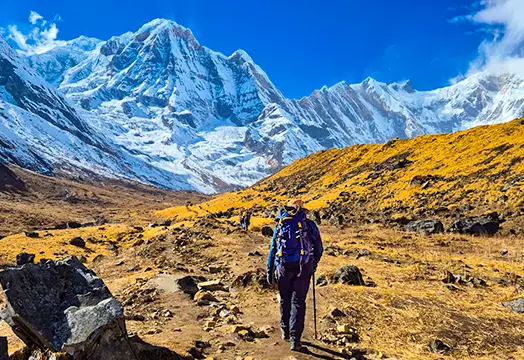
Located in north-central Nepal's Gandaki Province, Annapurna is the world's 10th highest and one of the most challenging mountains on the planet. Its height rises to 26,545 feet. Yet reaching Annapurna base camp is a far more accessible adventure, drawing trekkers from around the world every single season.
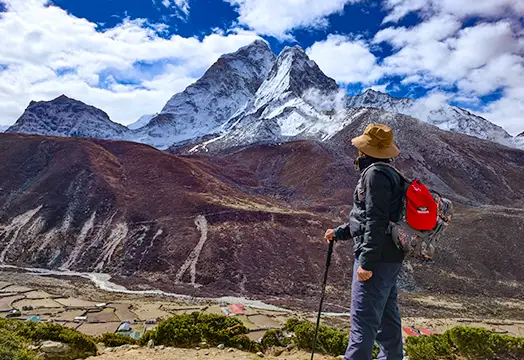
What does it feel like to stand on a trail where the mountain before you is worshipped as a goddess? For most of us, it's an adventure. But for the local communities who live in its shadow, it's something closer to faith. That mountain is Everest.

Over the last few decades, trekking has driven a profound shift: rural economies and local communities are reaping direct and indirect benefits.

Hiking teaches you to fall in love with the outdoors. Trekking teaches you to endure it. Mountaineering teaches you to respect it completely.

There are only a handful of Himalayan regions that hold profound spiritual significance as well as immense natural beauty. The Gaumukh Tapovan trek is one such destination that wonderfully combines adventure, divinity, and extraordinary Himalayan beauty.

What if a trek could leave you with more questions than answers? What if, after days of trekking, you reach a lake filled with centuries-old human skeletons?

Every year, every season reveals a new side of the Himalayan range. Be it trails covered in colourful rhododendrons or trails transformed into a lush green paradise, each season offers some of the most mesmerizing views of the Himalayas.

Altitude sickness is a physical reaction that occurs when you climb faster than what your body can adapt, especially in regions where air pressure and availability of oxygen tends to drop.