
11 February 2026

In general, trekking in the mountains is always categorised as either climbing or walking on the mountain trails. But what a lot of people don’t realise is that with each different grade of expedition, the techniques of climbing and walking on the mountains also change.
The thing is that to climb some high grade of mountains, more than basic skills and techniques of climbing are required to learn. In fact, the ‘technical climbing’? It is not just for high-grade level mountain expeditions; this kind of technical knowledge is quite useful even in the easy graded expedition to ensure the safety of the trekker throughout their trek.
So that you can learn and get acquainted with all the technical aspects of expedition climbing. We have prepared this comprehensive guide for all trekking lovers, which will help them learn the skills they need to climb different grades of expeditions.
From Beginner to Challenging: Your Complete Guide to Expedition Grades

A lot of times, many trekkers think that if the altitude of a mountain is not that high, it must be an easy trekking expedition to do, but that’s exactly where they are wrong.
Because the truth is that it’s not the altitude of the mountain that makes a trek look easy or difficult, it's the “terrain” of that mountain that truly decides whether it’s going to be an easy climb or a challenging one.
The terrain of easy treks always has well-marked trails, and they are surrounded by the forest as well as gentle ridges.
To climb the easy grade, expedition trekkers are required to have minimal technical climbing knowledge. Which are -

When it comes to levelling up the trekking, then stepping up from easy grade to moderate grade treks is the best way that any trekker can opt for. The easy-to-moderate treks are considered a perfect grade of treks that provide just the right amount of glimpse of high-altitude climbing to the enthusiasts who are curious and eager to explore the mountains a little further, for now.
Although compared to the easy grade, this grade trek demands a little more physical fitness from a trekker as they are upgrading their trekking level, which means that the terrain will be more rugged, more curvy, and the climb will also be equipped with more challenges than before.
Hence, to climb the easy-to-moderate grade, expedition trekkers will require a better understanding and knowledge of technical climbing. Which is as follows -
So, make sure that you get a proper technical briefing and enough opportunity to practice and refine your skills on the trail of the mountain.

As for the guide about doing this grade trek in the right way is -
These are some major skills that trekkers must know and learn to have a better climbing experience on thai grade trek.
Just keep in mind that while trekking, you must maintain your body balance on the exposed terrain, and know and learn everything about the rope discipline. Lastly, do the safety checks adequately and make sure to practice your skills before starting your trek journey.

The difficult grade expedition is exactly the grade of the trek that demands proper fitness and preparation from a trekker. They are the trek where preparation and safety knowledge is the most important and non - negotiable factor. Every step, curve, every decision tests your endurance, capability, all while nature keeps challenging you in various ways. Although at the end, the reward, the view makes every struggle worth it.
Now, as the grade of the trek is levelling up, the techniques of climbing, the terrain, and everything will become more challenging than before. All the equipment, as well as the skill requirement will also be upgraded. Speaking of that -
So, for every trekker, it’s necessary to perfect their footwork while trekking, learn all the kinds of knots for the rope, as well as what is the right way to keep their grip on the rope strong. All these things are important to know for a trekker.
Other than that, the trekker must have a proper and in-depth knowledge about all the risk management and possibility to happen in the technical zones during the climbing.

Challenging Expeditions are the last and final grade of trekking, but it is also the grade where everything is extreme. From altitudes, to cold, then physical fitness requirements, the capacity to endure things in every aspect demands more than usual efforts. But all these preparations and knowledge are what help in making your trekking journey safer and a memorable experience for you.
To do a challenging expedition, these are some of the most important things that every trekker who wishes and has the skills to do a challenging trek should keep in mind.
At the end, trekkers must keep in mind that technical climbing is not just about reaching or thinking of doing a summit; it is so much more than that. When it comes to climbing a summit,
Technical climbing is not about speed or strength, but about technique, safety, terrain and control. As trek difficulty increases, skills must be learned step-by-step, practised properly, and applied with discipline.
If you are interested to know more about different grades of expeditions that are available across worldwide, that you can explore and attain them you can check out the “List of Prominent peaks” article.
When it comes to doing an expedition trek, the goal of a trekker becomes so much more than just reaching the summit point. It becomes more about giving your all and making every step calculated that ensures your safety and provides you with an unforgettable trekking experience.
From doing an easy grade expedition to a difficult one, every experience helps in building confidence that later helps in gathering enough courage and learning enough skills to do a challenging trek. Throughout these different grades of treks, resilience to your endurance is tested, as the rocky terrain of the mountains and the constant change in the weather conditions.
And later, all these created a perfect Himalayan experience for the trekkers, where every step keeps inspiring them and makes them keep pushing their limits, irrespective of the grade level. At the end, a trekker is left with some exceptional stories, a stronger experience and with a deep connection they formed with the mountains throughout their trekking journey.
If you are thinking of doing an easy expeditions then all you need to do is have some basic knowledge about rope and how to balance yourself on the rough path. While, as for other expedition they definitely demand some firm skills like crampon use, ice axe handling and so on.
The key techniques that every trekker must know before going on any trek are rope management, fixed rope climbing.
On a trek, footwork is everything. A trekker must have good foot placement that helps in improving balance and reduces the chances of slipping.
Some common mistakes that trekkers tend to make during an expedition are poor rope communication, improper layering, ignoring the advice rather then adaption them. Remember, these blunders can cost a lot to the trekkers with their lives.
11 February 2026

Trek updates, stories & mountain insights.
Tips and insights for every trekker.
13 Oct 2026

12 Oct 2026
11 Oct 2026
10 Oct 2026
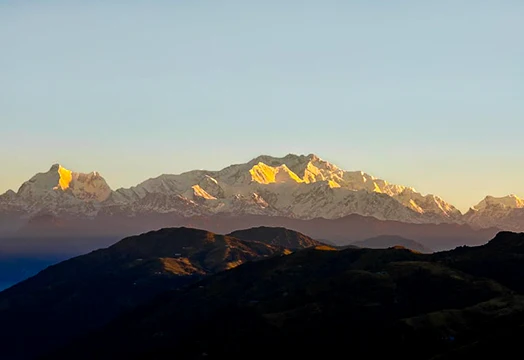
09 Oct 2026
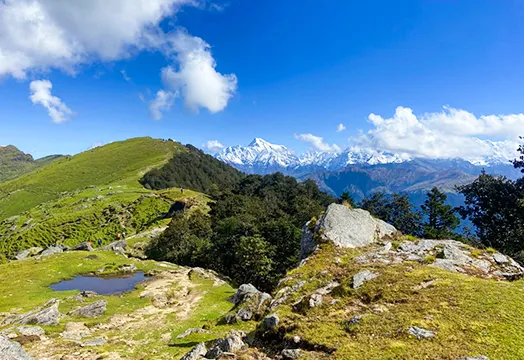
08 Oct 2026
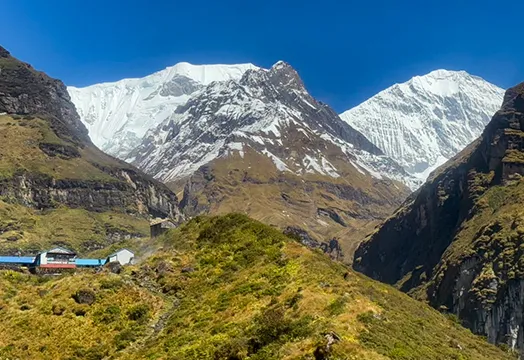
07 Oct 2026
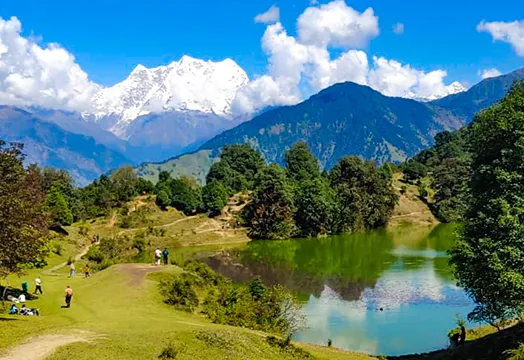
06 Oct 2026
05 Oct 2026
04 Oct 2026
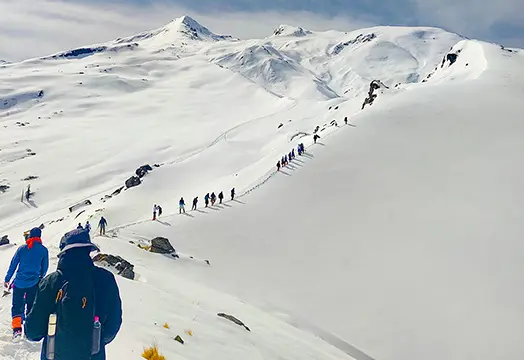
Every season in the Himalayas has its own way of showing off the mountains, but winter reveals a different side of them, one that feels like a whole new world.
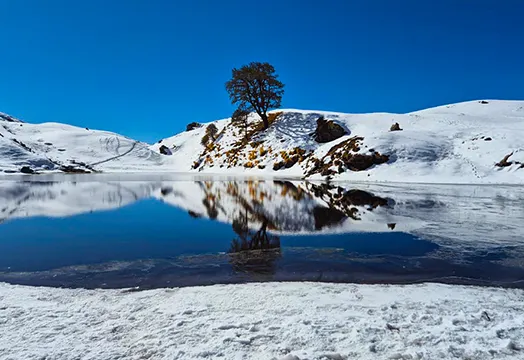
Winter is almost here, and you're still planning on following the same routine. Sitting in a blanket, sipping on hot tea, and binge-watching your favorite movies.
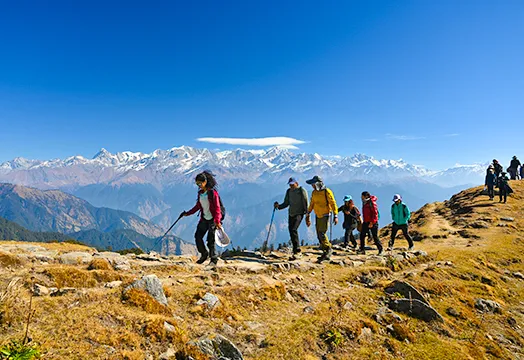
As monsoon season comes to an end, it washes away all the dust and haze that remains in the valleys throughout the summer, and then?
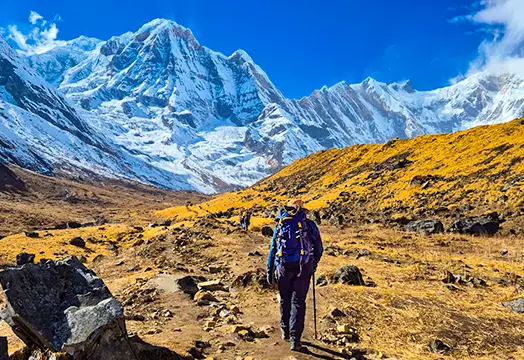
Located in north-central Nepal's Gandaki Province, Annapurna is the world's 10th highest and one of the most challenging mountains on the planet. Its height rises to 26,545 feet. Yet reaching Annapurna base camp is a far more accessible adventure, drawing trekkers from around the world every single season.
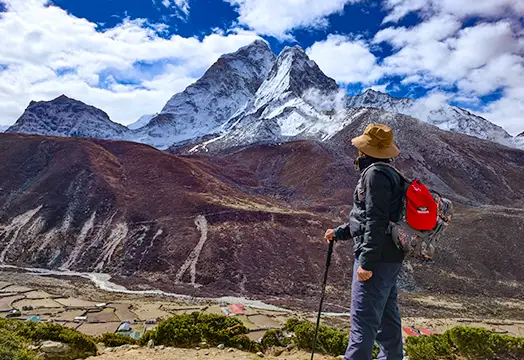
What does it feel like to stand on a trail where the mountain before you is worshipped as a goddess? For most of us, it's an adventure. But for the local communities who live in its shadow, it's something closer to faith. That mountain is Everest.

Over the last few decades, trekking has driven a profound shift: rural economies and local communities are reaping direct and indirect benefits.

Hiking teaches you to fall in love with the outdoors. Trekking teaches you to endure it. Mountaineering teaches you to respect it completely.

There are only a handful of Himalayan regions that hold profound spiritual significance as well as immense natural beauty. The Gaumukh Tapovan trek is one such destination that wonderfully combines adventure, divinity, and extraordinary Himalayan beauty.

What if a trek could leave you with more questions than answers? What if, after days of trekking, you reach a lake filled with centuries-old human skeletons?

Every year, every season reveals a new side of the Himalayan range. Be it trails covered in colourful rhododendrons or trails transformed into a lush green paradise, each season offers some of the most mesmerizing views of the Himalayas.