
2 January 2026

The main highlight of any trek journey will always be either the places you get to explore or the views that you will get to witness only once in your life. But to explore and experience all that scenic beauty, you must remain safe and healthy, which can be possible only if you do the proper intake of nutrients, and most importantly, of all consume water in a perfectly adequate amount.
It’s an obvious yet the most ignored fact that Hydration is very important for trekking, it’s like the backbone of the whole trip. Which is why every trek leader’s first question at the start or end of their trek is - How much water did you drink today?
Half of the time, the pattern of the answer remains the same, where some of them just give sheepy smiles, some tell numbers but are in doubt, and some of them have no idea whether they have drunk it at all or not.
Therefore, we have curated this article with the help of our trek leaders' guidance and knowledge. Where they share some major ways through which you can beat dehydration while trekking during each season.
Apart from that, they shed some light on some unknown facts about the best ways to keep your body hydrated and what signs trekkers need to look out for that indicate the hydration level of their body. So, without wasting any time further, let’s dive deep into this article and learn about all the best ways to stay hydrated on the trek for next time.
While shedding some light on hydration tips, our trek leader, Sudhanshu Tomar, told us about how keeping the body hydrated is not just about keeping sipping water whenever you feel thirsty. In fact, hydration is about understanding and knowing how your body will react to the high altitude atmosphere and the temperature change.
He recalls various times when, each season, once or twice, some trekkers deal with this hydration issue every year. Where in summers, trekkers sweat more than they realise due to the extreme heat, in the monsoon, not only their bodies get tricked into thinking that it doesn’t require water for hydration, but also trekkers remain unaware of the fact that they do sweat a lot in the monsoon too. Lastly, in winter, the cold air, the thirst completely disappears among the trekkers, but dehydration remains in their bodies.
He stated that, irrespective of the weather, choosing to go on a trek every season requires your body to stay completely hydrated to function, recover, and keep you healthy throughout the trail.
The water intake is necessary before the trek, during the trekking and definitely after reaching the camp. So that trekkers won’t have to suffer from headaches, fatigue, loss of appetite, and cramps that are very common to occur in the trekker's body while being on the trek due to poor hydration habits.
Hence, he has helped us out in curating these comprehensive guidelines by sharing his experience of walking beside hundreds of trekkers across different terrains and seasons.
The most important thing to note is that all these tips are not taken from a printed textbook; all these important tips or facts are gathered while he is on the trail, surrounded by trekkers. These tips helped them out in making their trekking journey smoother, safer, and far more enjoyable than they actually imagined it to be. So, as you gear yourself up to enjoy the trek in any season, just keep one thing in mind: After your backpack, it’s your insulated water bottle that is essential to carry with you on the trek.

Drinking water in small amounts at an adequate gap is a rule that every trekker is aware of. But there are some facts, some rules that trekkers are unaware of, and only trek leaders who have been on the mountains guiding, leading the trekkers through the mountain trail for years are aware of these little tricks that help the trekkers in keeping their bodies hydrated throughout the trek.
So, to make all the trekking enthusiasts aware. Here are tips to stay hydrated for trekkers during their trek in the mountains.
|
Water Purification Tips By Trek Leaders
|

‘Hydration’, this one word holds way too much significance and power that can make your trip the most memorable experience of your life, or can turn your potential lifetime trekking experience into a dreadful experience.
Why? Well, hydration is that one key element that acts as the backbone of your energy during the trek, and if it’s not in an adequate amount in your body? This can then lead to experiencing some symptoms that may indicate the onset of Acute Mountain Sickness (AMS).
So, now let’s take a look at some of the major signs that can not be missed while you are on the trek, so make sure to stay attentive to these signs and follow the above mentioned tips to stay hydrated during the trek-
General Signs of Dehydration Available Among Trekkers in All Seasons
Dehydration Signs Among Trekkers in Different Seasons
Hydration may seem like just a simple process of drinking water while being on the trek, but in reality, it is so much more than that. The truth is that it’s a skill you learn slowly with time. If any of you have been on a trek before. You might have seen the trek leaders often reminding you about the importance of doing proper intake while being on the trek, and keep sipping water after every 20-30 minutes.
Every season requires a different level of hydration in the mountains. The summer season requires drinking more water than normal, winter requires mindful consumption of warm fluids, the monsoon calls for extra caution, while testing your awareness to the maximum.
See, hydration level is like that fluent conversation you need to keep having with your body after every hour to maintain your concentration consistency. So, if you are ever feeling unusually tired or notice your pace getting slow down, or experiencing dry lips and skin, watch out and start taking more water as these symptoms are signs of the beginning of health issues due to dehydration in the body.
So the next time you tighten your laces and shoulder your backpack, remember to pack hydration awareness along with your bottle. Drink before you feel thirsty, adjust with the weather, and follow the time-tested advice of trek leaders who’ve learned these lessons the hard way. When you hydrate right, every season feels more manageable, your body stays resilient, and the trek becomes less about survival and more about truly experiencing the journey.
The best things a trekker can do to maintain their hydration level throughout their trek are to consume water while trekking, which is 4 to 5 litres daily, and take sips of water, not gulp it down, after every 30-minute gap.
Yes, you can rely on electrolytes, but not solely. Make sure you keep drinking water in an adequate amount while consuming electrolytes during the trek.
It’s better that while preparing for a trek, the trekker avoids consuming food or drinks such as
The best thing a trekker can do to avoid this hydration issue from getting worse is that they should immediately stop, take a proper rest and make sure to take electrolytes with water.
If you want to read a detailed article about Essential Tips for Staying Hydrated on Winter Treks, just click here.
2 January 2026

Trek updates, stories & mountain insights.
Tips and insights for every trekker.
19 Oct 2026

18 Oct 2026
17 Oct 2026
16 Oct 2026
15 Oct 2026
14 Oct 2026
13 Oct 2026
12 Oct 2026
11 Oct 2026
10 Oct 2026
Winter is almost here, and you're still planning on following the same routine. Sitting in a blanket, sipping on hot tea, and binge-watching your favorite movies.
Every season in the Himalayas has its own way of showing off the mountains, but winter reveals a different side of them, one that feels like a whole new world.
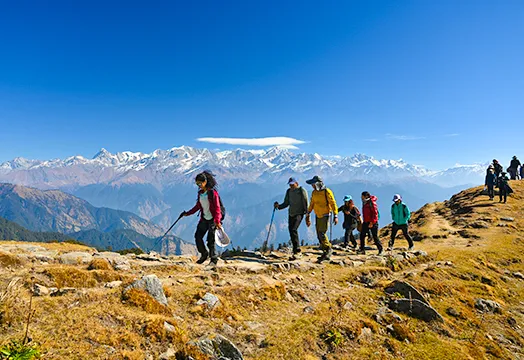
As monsoon season comes to an end, it washes away all the dust and haze that remains in the valleys throughout the summer, and then?
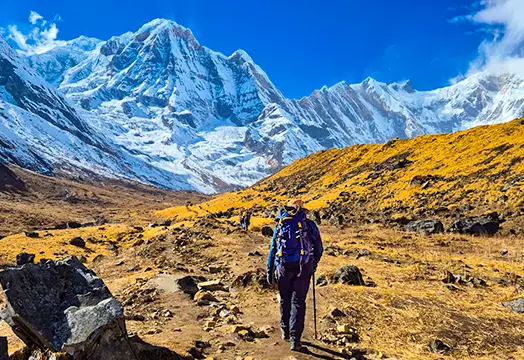
Located in north-central Nepal's Gandaki Province, Annapurna is the world's 10th highest and one of the most challenging mountains on the planet. Its height rises to 26,545 feet. Yet reaching Annapurna base camp is a far more accessible adventure, drawing trekkers from around the world every single season.
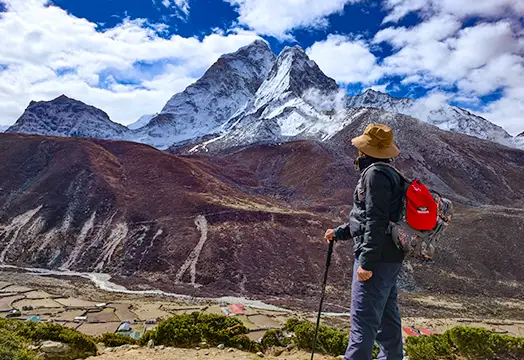
What does it feel like to stand on a trail where the mountain before you is worshipped as a goddess? For most of us, it's an adventure. But for the local communities who live in its shadow, it's something closer to faith. That mountain is Everest.

Over the last few decades, trekking has driven a profound shift: rural economies and local communities are reaping direct and indirect benefits.

Hiking teaches you to fall in love with the outdoors. Trekking teaches you to endure it. Mountaineering teaches you to respect it completely.

There are only a handful of Himalayan regions that hold profound spiritual significance as well as immense natural beauty. The Gaumukh Tapovan trek is one such destination that wonderfully combines adventure, divinity, and extraordinary Himalayan beauty.

What if a trek could leave you with more questions than answers? What if, after days of trekking, you reach a lake filled with centuries-old human skeletons?

Every year, every season reveals a new side of the Himalayan range. Be it trails covered in colourful rhododendrons or trails transformed into a lush green paradise, each season offers some of the most mesmerizing views of the Himalayas.