
13 February 2026

The Himalayas are home to countless scenic destinations. That’s an unavoidable fact beyond dispute. Then there are places that are beautiful and equally sacred. One such hidden gem tucked away in the Himalayan embrace is Budha Kedar – a wonderful spiritual destination in Tehri Garhwal in Uttarakhand, India. It is a prominent pilgrimage site of Northern India, which is dedicated to Lord Shiva and houses one of the largest Shiva Lingams in the country. The temple sits by the confluence of Balganga and Dharmaganga rivers.
The Budha Kedar Trek is an excellent blend of breathtaking beauty, divinity, spirituality, serenity, and adventure. It is one of the lesser-explored trails that take you through thick forest patches, lush-green meadows, peaceful traditional villages, and spectacular snow-laden peaks of the surrounding Himalayan ranges.
Budha Kedar is an easy trek that is perfect for beginners and families/friends. It is revered by devotees to such an extent that sometimes it is also referred to as the fifth Dham of Uttarakhand other than the primary pilgrimages – Yamunotri, Gangotri, Kedarnath, and Badrinath.
The Budha Kedar Temple has profound spiritual significance and is frequently visited by pilgrims who seek true peace of mind. The story of the temple goes like this: Pandavas set out on a quest to seek Lord Shiva’s blessings to cleanse their sins of killing kins in Kurukshetra War. To test their patience and fortitude, Shiva hid from them for a long time, then eventually materialized as an old man meditating at this same place. Finally, before vanishing, Lord Shiva left behind a huge Shiva Lingam – one of the largest in Northern India.
The story reestablishes the belief that Budha (old) Kedar is the place that represents an ancient and authentic meditation spot of Lord Shiva. The history of this place is believed to predate the holy Kedarnath shrine.
Day-1: Budha Kedar Village to Budha Kedar Temple
Day-2: Return to the Base
On the next day of this short trip, you have to return to the base. So, after having breakfast, you can start trekking back. Again, if you don’t want the afternoon sun to bother you much, start as early as possible in the morning and retrace your steps. It’s a gradual descent all the way down to the Budha Kedar Village and you can easily reach here in the late morning.
Budha Kedar is a relatively easier and enjoyable trek that looks stunning during most of the year. Yet the best time to visit this trek is from April to June and September to November. These months offer pleasant weather, clear skies, and panoramic Himalayan views. April to June is ideal for blooming flowers, while September to November provides post-monsoon lush green landscapes.
With the arrival of the spring season, rhododendron flowers spruce up the entire forested areas of this region. The trails are decorated both sides by these flowers with an enchanting smell sweeping the landscapes. The day temperature ranges from 15 to 25 -degrees that feels soothing and pleasing. The autumn season is equally pleasant with clearer views and more crisp air blowing all around you. The autumn months are also attractive because of vibrant colors prevailing in the surroundings.
To reach the Budha Kedar Trek from Delhi, Chandigarh, or other regions of the country, you can opt to travel by train, bus, or taxi to either Dehradun, Rishikesh, or Haridwar. After arriving at any of these three crucial junctions, you can board a bus to Ghansali Village or hire a cab. From Ghansali, you have to take a local taxi to reach Budha Kedar Village.
Prominent Route: Delhi → Dehradun/Rishikesh/Haridwar → Tehri → Ghansali → Budha Kedar.
Budha Kedar Trek is located at an altitude of 2,277 meters (7,470 ft) in Tehri Garhwal, Uttarakhand. It is an easy and short duration trek that can be conveniently completed by beginners and kids as well.
This trek is known to be one of the most ancient resting places of Lord Shiva. It houses the biggest Shivling in Northern India. It is also called the fifth Dham.
The best time for this trek is from April to June and September to November. These months offer pleasant weather, clear skies, and panoramic Himalayan views.
As it is an easy and relatively lower elevation trek, you don’t necessarily need to have the previous trekking experience. If you have experience, then it’s well and good; if you don’t you’ll still complete it comfortably.
13 February 2026

Trek updates, stories & mountain insights.
Tips and insights for every trekker.
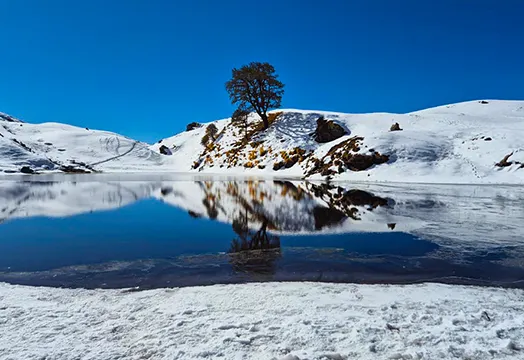

Winter is almost here, and you're still planning on following the same routine. Sitting in a blanket, sipping on hot tea, and binge-watching your favorite movies.
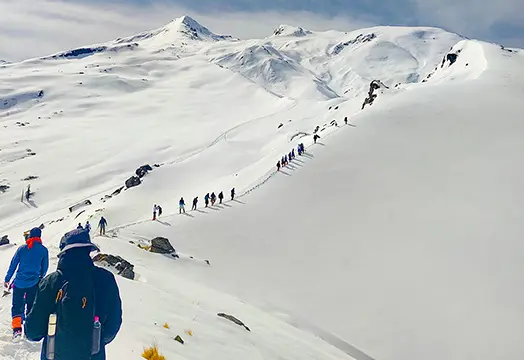
Every season in the Himalayas has its own way of showing off the mountains, but winter reveals a different side of them, one that feels like a whole new world.
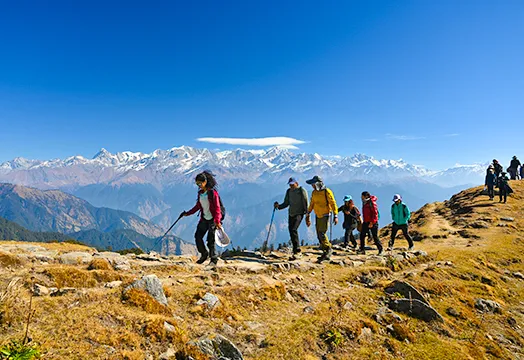
As monsoon season comes to an end, it washes away all the dust and haze that remains in the valleys throughout the summer, and then?
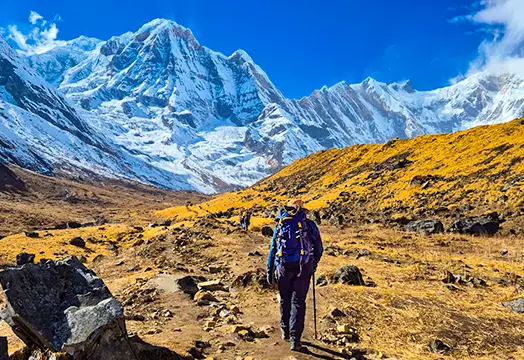
Located in north-central Nepal's Gandaki Province, Annapurna is the world's 10th highest and one of the most challenging mountains on the planet. Its height rises to 26,545 feet. Yet reaching Annapurna base camp is a far more accessible adventure, drawing trekkers from around the world every single season.
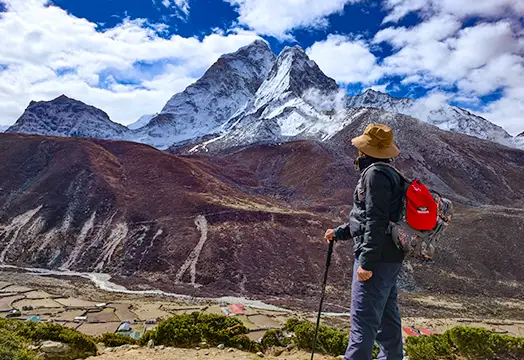
What does it feel like to stand on a trail where the mountain before you is worshipped as a goddess? For most of us, it's an adventure. But for the local communities who live in its shadow, it's something closer to faith. That mountain is Everest.

Over the last few decades, trekking has driven a profound shift: rural economies and local communities are reaping direct and indirect benefits.

Hiking teaches you to fall in love with the outdoors. Trekking teaches you to endure it. Mountaineering teaches you to respect it completely.

There are only a handful of Himalayan regions that hold profound spiritual significance as well as immense natural beauty. The Gaumukh Tapovan trek is one such destination that wonderfully combines adventure, divinity, and extraordinary Himalayan beauty.

What if a trek could leave you with more questions than answers? What if, after days of trekking, you reach a lake filled with centuries-old human skeletons?

Every year, every season reveals a new side of the Himalayan range. Be it trails covered in colourful rhododendrons or trails transformed into a lush green paradise, each season offers some of the most mesmerizing views of the Himalayas.
21 Oct 2026
19 Oct 2026
18 Oct 2026
17 Oct 2026
16 Oct 2026
15 Oct 2026
14 Oct 2026
13 Oct 2026
12 Oct 2026
11 Oct 2026