
8 December 2025

Settled in the Garhwal Himalayas of Uttarakhand, India. The Panch Kedar Trek, all five temples, are the most prominent, culturally rich, and the most spiritually significant places in the Indian Himalayas. The trail of these Hindu pilgrimages is said to be the most sacred and rugged terrain in Uttarakhand.
The Panch Kedar includes the five sacred temples: Kedarnath, Tungnath, Rudranath, Madhyamaheshwar, and Kalpeshwar. All these sacred shrines hold their own story, and a history that binds a connection between nature, mythology, and human faith in god.
As each trail narrates an ancient story of Lord Shiva, seeking a spiritual essence, it also offers an opportunity to witness the beauty of breathtaking alpine beauty, experience a thrilling, adventurous trek, and offer your prayers in these holy places.
With the help of TTH’s expertise, you can easily embark on a soul-stirring journey through these sacred Himalayas with complete safety and seamless planning. All you have to do is fully immerse yourself in devotion and admire the divine aura of these sacred places, the peaks you will witness, and the challenging, thrilling trail as you experience the Himalayas in their purest and majestic form.
So, let’s take you on this transformative journey with TTH, where you witness the human faith leading them to the mountains, with each step, the centuries of legends and blessings are echoed throughout the trail.
In this article, we will enlighten you about the origin and history of the Panch Kedar Trek as well as the mythological and spiritual significance of these sacred places. Apart from that, we will brief you on why you should undertake this trek and how going with TTH will enhance your spiritual experience.
According to legends, the formation of the Panch Kedar dates back to the time when the Kurukshetra War, the war of the Mahabharat ended. The Pandavas were overwhelmed by the guilt of killing their own blood relatives and were seeking forgiveness from the mighty Lord Shiva for their sin.
However, unwilling to meet the Pandavas and upset by the bloodshed that happened in the war, he refused to meet them. When the Pandavas reached Kashi, he (Lord Shiva) escaped from there and moved to the Himalayas. The Pandavas also reached the Himalayas in search of him. Lord Shiva disguised himself as a bull and hid in the Himalayas.
Later, when Bhima (one of the Pandavas) discovered him, he tried to hold him off, but Lord Shiva disappeared underground. Then all the Pandavas worshipped him and, impressed by their devotion as well as their acceptance and guilt, he appeared from the ground, but his form of bull was divided into five parts and was surfaced at five separate locations in Uttarakhand, each becoming a shrine today known as the Panch Kedar.
| Body Parts of Lord Shiva (Bull Form) | Temple’s Name |
| The Hump of the Bull | Kedarnath Temple |
| The Arms | Tungnath Temple |
| The Face | Rudranath Temple |
| The Navel | Madhyamaheshwar Temple |
| The Hair (Jata) | Kalpeshwar Temple |
And that’s why the trail of these sacred temples is considered one of the most holy journeys after the Char Dham Yatra and the 12 Jyotirlinga Yatra.
Embodying the five sacred testaments to Lord Shiva’s divine presence, and of all the countless devotion offered to the pilgrimage throughout the ages. All five temples - Kedarnath, Tungnath, Rudranath, Madhyamaheshwar, and Kalpeshwar are nestled on the uneven terrain of the Garhwal Himalayas.
Each temple radiates its own unique spiritual energy and has its own beauty, making the sacred trail to reach these temples a perfect blend of mythological presence, set against a breathtaking mountain landscape view. Combining all these holy temples, a story of faith, resilience, and an infinite bond between humans and the divine’s presence is narrated through it.
So, without any further ado, let’s explore and learn more about these majestic sacred temples dedicated to Lord Shiva, and get to know more about how, with the assistance of Trek the Himalayas, the Panch Kedar journey can be a life-changing experience for you all.

Located at an altitude of 3,583m in the Garhwal Himalayas, the Kedarnath Temple is a sacred place for Hindus. It is dedicated to the all-mighty Lord Shiva. One of the 12 most prominent Jyotirlinga of Lord Shiva, the Kedarnath Temple is said to have been reconstructed by Adi Shankara in the 8th Century.
|
Do You Know?
|
Kedarnath Trek and its Beauty
The most significant milestone in your sacred journey of the Panch Kedar trek will be marked when you begin trekking to the Kedarnath Temple. The Kedarnath trek route begins at Gaurikund. The trail of this pilgrimage is lined with enchanting forest valleys, a beautiful landscape of vibrant, emerald lush meadows, and will take you through rough terrain.
Just halfway through your trek, you will come across some of the most scenic views, like a very mesmerising cascading waterfall, a perfect, clear view of the majestic mountain peaks and as you keep progressing, coming closer to the temple, soon you will start hearing the chimes of the bells, suggesting you are near your destination. The approach to the temple with the clear weather offers a dramatic, yet intimate view of the scenic mountains, and as the chilly air blows, it turns every step into a meditative experience.
Each year, due to heavy and dense snowfall, the Kedarnath Trek route is closed by the authorities in late October, and then the gates get reopened next year around early May. This trek, the wait to experience the strong presence of the divine force, teaches you a lot about stillness, humility and helps you understand what small creatures we ‘humans’ are in front of nature and god.

Popularly known as the world's highest Shiva temple, the Tungnath temple is perched at 3500 m, symbolising its spiritual and mythological significance. Among the entire Panch Kedar Trek circuit, this temple comes in third place. In fact, the trail to reach the Tungnath temple actually leads to the Chandrashila summit, marking it as one of the other benefits of doing this trek.
|
Do You Know?
|
Tungnath Trek and its Beauty
The Tungnath Temple trek is a perfect blend of experiencing a thrilling trail, seeking a spiritual experience, and witnessing a trail covered with scenic beauty that looks like a replica of a breathtaking postcard. The Tungnath trek route begins from Chopta, and in the beginning, you get an opportunity to witness a glimpse of the Himalayan Ranges.
Then, as you keep walking further, you will cross the rhododendron and oak forests, which will lead you towards the wide alpine meadows. As you reach the point where the final ascent begins, all the struggle will start to make sense. Reaching your destination, you will be greeted with the centuries-old shrine that depicts the divine aura of Lord Shiva, where you will witness the most mesmerising sunrise and sunset, while peaks like Nanda Devi, Trishul and other giant peaks will grace your view.
After soaking up the beauty surrounding the Tungnath temple, you just need to trek around 1 km more, and there you will be rewarded with the spectacular view at dawn.
The best time to experience the beauty of the Tungnath trek is from the beginning of April to November, as it's the perfect time when the beauty of the mountain peaks is visible clearly, making the journey more memorable.
In the whole Panch Kedar trek itinerary, the journey of the Tungnath trek is considered the most highlighted one, as it not only offers an opportunity to seek the divine blessing but also offers a perfect, awe-inspiring view of nature.

The fourth temple among the Panch Kedar, the Rudranth Temple, is nestled in the Garhwal region of the Himalayas. Among all the rest of the treks to the temples, this trek is considered the most adventurous and challenging trek due to its uneven terrain.
|
Do You Know?
|
Rudranath Trek and Its Beauty
The journey to reach the Rudranath trek begins from the Lyuti Bugyal, and the trail of this trek is equipped with lots of abrupt twists in the route. As you begin your trek, you will come across a path that will have some grassy slopes and then some rocky patches on the trail, too.
A little further down the trail, a breathtaking glimpse of Nanda Devi, Trishul and Nanda Ghunti will come into your view, and the sides of the trails might be jewelled with praying flags and some small shrines at some distance on the trail.
Apart from these beautiful scenes, you will encounter a mesmerising view of the rhododendron-dense forest, looking so spectacular as it gets covered in the perfect red-pink shade as its flowers bloom.
Speaking of, the best time to visit and witness the beauty of Rudranath Temple and offer prayers to Lord Shiva is between May to November. The doors of the temple open up in mid-May and are closed in mid-November.
As compared to other Panch Kedar trek, the Rudranath trek gives you the most spiritually profound yet challenging trekking experience, where the reward is indeed worth all the struggle, but also happens to test all the limits of your physical endurance. The reward included a breathtaking scenic Himalayan view, an opportunity to trek on the uneven terrain and experience the peace in solitude while surrounded by nature’s beauty.

Located in Rudraprayag, the district of Uttarakhand. The Madhayamaheswar temple comes in fourth place among all the Panch Kedar Temples. Set at the 3,490 metres high this temple is known for its peaceful surroundings and offers a perfect postcard-like picturesque view.
|
Do You Know?
|
The beginning of your trek to Madhyamaheshwar temple begins from Gaudhar, a place that offers very pleasant surroundings at the beginning of the trek only. What makes this trek more interesting is the fact that the trail of this trek has a very rich biodiversity of flora and fauna.
As you progress in your trek, the terrain will start to get steeper, making the trek more thrilling and adventurous for you all. Throughout the trail, you will cross a dense yet beautiful forest of oak and rhododendron. While getting a glimpse of the mesmerising peaks.
Ascending more towards the temple, the uneven terrain will require you to walk more carefully, and layer yourself properly since the altitude will increase more. Although the walk will seem a little tough, as you reach near the temple, the most perfect view of a wide alpine meadow will appear in front of you.
Finally, when you reach your destination and soak up the view around the temple, a calming and peaceful feeling will reside inside you. As you admire the beauty of nature and feel a divine presence around that place, while you offer your prayer to Lord Shiva.
Another important thing to keep in mind while you plan to take a trip to visit the Madhyamaheshwar temple is that to witness the surroundings of the temple in the most beautiful form, the best time to visit this temple is from May to June and then from September to October. During this period of time, the sky remains clear, pleasantly giving the most perfect view of the mountain peaks and the lush green meadows.

Among all the Panch Kedar temples, the trek to Kalpeshwar is far easier than the rest. It is located in the Urgam Valley of the Chamoli District of Uttarakhand at an altitude of 6,900ft. It is the fifth as well as the last one in the Panch Kedar Pilgrimage order, marking the end of the Panch Kedar Trek.
|
Do You Know?
|
The journey to the Kalpeshwar temple begins by driving on the mountain road. Unlike other temples, the route to it goes through a well-constructed road, allowing for more exploration of the Garhwal areas and to learn more about their culture.
As you drive through the charming turns of the mountains, you will witness lots of villages on the side, while in the distance, if you look, the meadows surrounding the area have wildflowers blooming, adding vibrant colours to the landscape.
The best part about the Kalpeshwar temple trek is that it's an easily accessible trek that provides a mild altitude experience of the Himalayas, as compared to the rest of the temple treks. Leading to getting opportunities to explore the mountain region, meditate in solitude and learn all about inner peace, resilience and understand the true essence of devotion.
The trekking journey of the Panch Kedar Trek is so much more than just walking on the trail or roaming through the roads of the Himalayas. This trek is more about getting to know our culture’s history, understanding the true meaning of devotion, and witnessing the untouched beauty of nature.
From Kedarnath to Kalpeshwar, all 5 pilgrimages hold a deep significance of spirituality, and allow exploring the raw beauty of the Himalayas that will remain with you even after coming back from the trek, and doing this trek with Trek The Himalayas will just elevate that experience, giving more meaning to it.
As TTH prefers to ensure that every moment you spends on those sacred lands, they experience and understand the true essence of embarking on this spiritual journey and by providing well-experienced and expert trek leaders, a well-planned itineraries, and all the possible facilities helps in making their journey smooth enough to create an environment that helps in understanding and feel the presence of the divine power.
So, if you are up for walking on the most sacred ground in Indian mythology, immerse yourself in devotion to Lord Shiva and explore the beauty of the Himalayas, the Panch Kedar trek awaits you. Let Trek The Himalayas guide your footsteps as you discover not just the mountains, but a deeper connection with yourself.
The best time to visit the Panch Kedar Trek is from May to June and September to November, as during this period of time, the weather remains pleasant, the trails are also stable, and the temple gates open to offer prayers by the devotee.
The classic Panch Kedar trek route starts from Kalpeshwar, followed by Rudranath, then Tungnath, Madhyamaheshwar, and then ends at Kalpeshwar.
TTH provides guesthouse, homestay, and campsite accommodations depending on the location, along with nutritious vegetarian meals, ensuring comfort throughout the journey.
TTH offers expert trek leaders, safety protocols, experienced staff, well-planned routes, and an immersive spiritual experience, making the journey smooth, safe, and meaningful.
8 December 2025

Trek updates, stories & mountain insights.
Tips and insights for every trekker.
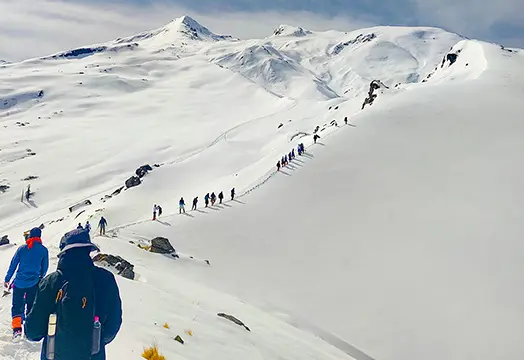

Every season in the Himalayas has its own way of showing off the mountains, but winter reveals a different side of them, one that feels like a whole new world.
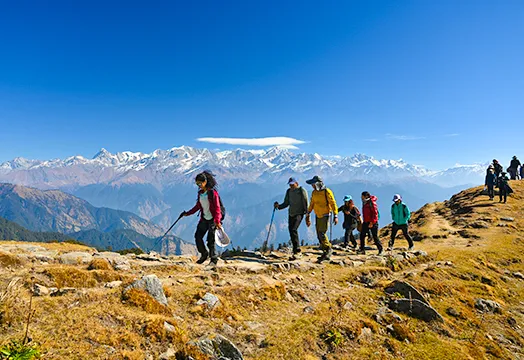
As monsoon season comes to an end, it washes away all the dust and haze that remains in the valleys throughout the summer, and then?
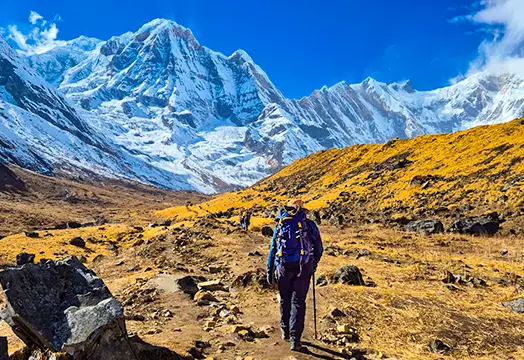
Located in north-central Nepal's Gandaki Province, Annapurna is the world's 10th highest and one of the most challenging mountains on the planet. Its height rises to 26,545 feet. Yet reaching Annapurna base camp is a far more accessible adventure, drawing trekkers from around the world every single season.
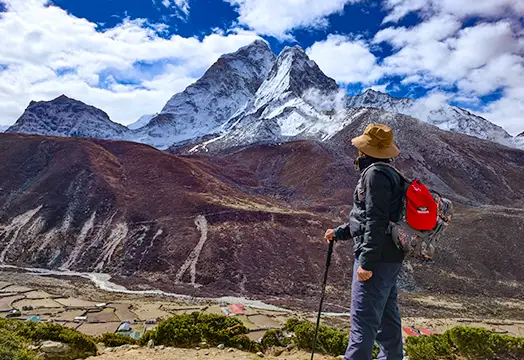
What does it feel like to stand on a trail where the mountain before you is worshipped as a goddess? For most of us, it's an adventure. But for the local communities who live in its shadow, it's something closer to faith. That mountain is Everest.

Over the last few decades, trekking has driven a profound shift: rural economies and local communities are reaping direct and indirect benefits.

Hiking teaches you to fall in love with the outdoors. Trekking teaches you to endure it. Mountaineering teaches you to respect it completely.

There are only a handful of Himalayan regions that hold profound spiritual significance as well as immense natural beauty. The Gaumukh Tapovan trek is one such destination that wonderfully combines adventure, divinity, and extraordinary Himalayan beauty.

What if a trek could leave you with more questions than answers? What if, after days of trekking, you reach a lake filled with centuries-old human skeletons?

Every year, every season reveals a new side of the Himalayan range. Be it trails covered in colourful rhododendrons or trails transformed into a lush green paradise, each season offers some of the most mesmerizing views of the Himalayas.

Altitude sickness is a physical reaction that occurs when you climb faster than what your body can adapt, especially in regions where air pressure and availability of oxygen tends to drop.
08 Oct 2026
07 Oct 2026
06 Oct 2026
05 Oct 2026
04 Oct 2026
03 Oct 2026
01 Oct 2026
30 Sept 2026
29 Sept 2026
28 Sept 2026